
Ingredients
Method
Step 1: Start With the Right Pan and Proper Heat
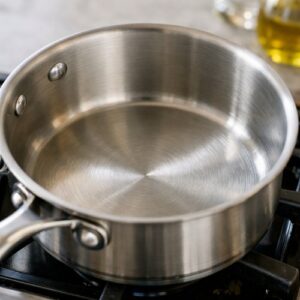
- Grab a heavy-bottomed saucepan or small skillet. Why heavy-bottomed? Because even heat distribution prevents hot spots that can break your sauce. Light, flimsy pans create temperature fluctuations that cause the cream to curdle. Set your heat to medium—not medium-high, not high. Medium. Place your butter in the pan and let it melt slowly. You'll know it's ready when it's completely liquid but the pan itself is only warm to the touch on the outside. This whole step should take about 2 minutes. If your butter is sizzling aggressively, your heat is too high. Turn it down.
Step 2: Add Garlic and Build Flavor Gradually
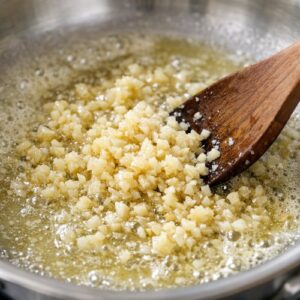
- Once your butter is melted, add your minced garlic. Here's what most people do wrong: they let it sit without stirring, or they cook it too fast. What you want to do is stir it almost constantly for about 60–90 seconds. You're not trying to brown it. You're trying to gently coax the flavor compounds out of the garlic so they infuse into the butter. The garlic should look slightly softer and smell absolutely incredible—toasted but not brown. If it starts turning golden, your heat is too high. Lower it immediately. The goal is fragrant, not crispy.
Step 3: Pour in the Cream Slowly While Stirring
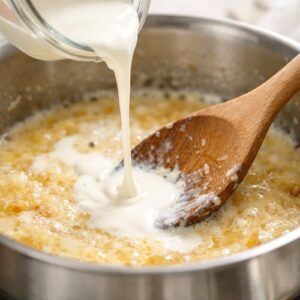
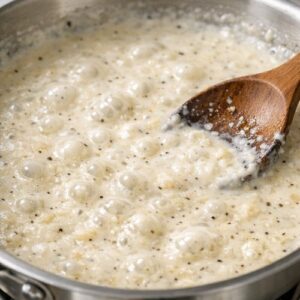
- This is the moment that separates success from failure. Pour your cream in slowly—and I mean slowly. Start with about ¼ cup while stirring constantly. Wait 30 seconds. Then add another ¼ cup. This gradual incorporation allows the fat from the butter to gently distribute throughout the cream instead of clumping or separating. If you dump all the cream in at once, you shock the system and break the emulsion. Once you've added all the cream, increase your heat to medium and bring the whole thing to a gentle simmer. You should see tiny bubbles breaking the surface, not a rolling boil.
Step 4: Simmer and Reduce Slightly
- Let this bubble gently for about 3–4 minutes. During this time, the sauce will thicken slightly as some of the liquid evaporates. Here's your technique checkpoint: the sauce should coat the back of a spoon when you dip it in and drag your finger across it. If it runs off immediately, it needs more time. If it's thick and sluggish, you've simmered too long. Keep stirring frequently so nothing sticks to the bottom. The color will deepen slightly and become more luxurious-looking.
Step 5: Add Cheese and Seasonings—This Is Where Precision Matters
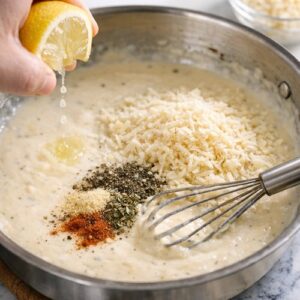
- Remove your pan from direct heat and stir in the lemon juice first. This slightly cools the mixture and prevents the cheese from overcooking. Then, add your grated Parmesan while stirring constantly. The heat from the sauce melts the cheese, and your stirring distributes it evenly. If you dump it in and don't stir, you'll get clumpy pockets instead of a silky sauce. Add the nutmeg. Taste it. Now add salt and pepper gradually, tasting between additions. Remember, Parmesan is already salty, so be conservative. This final seasoning step should take about 2 minutes total.
Step 6: Final Texture Check and Service
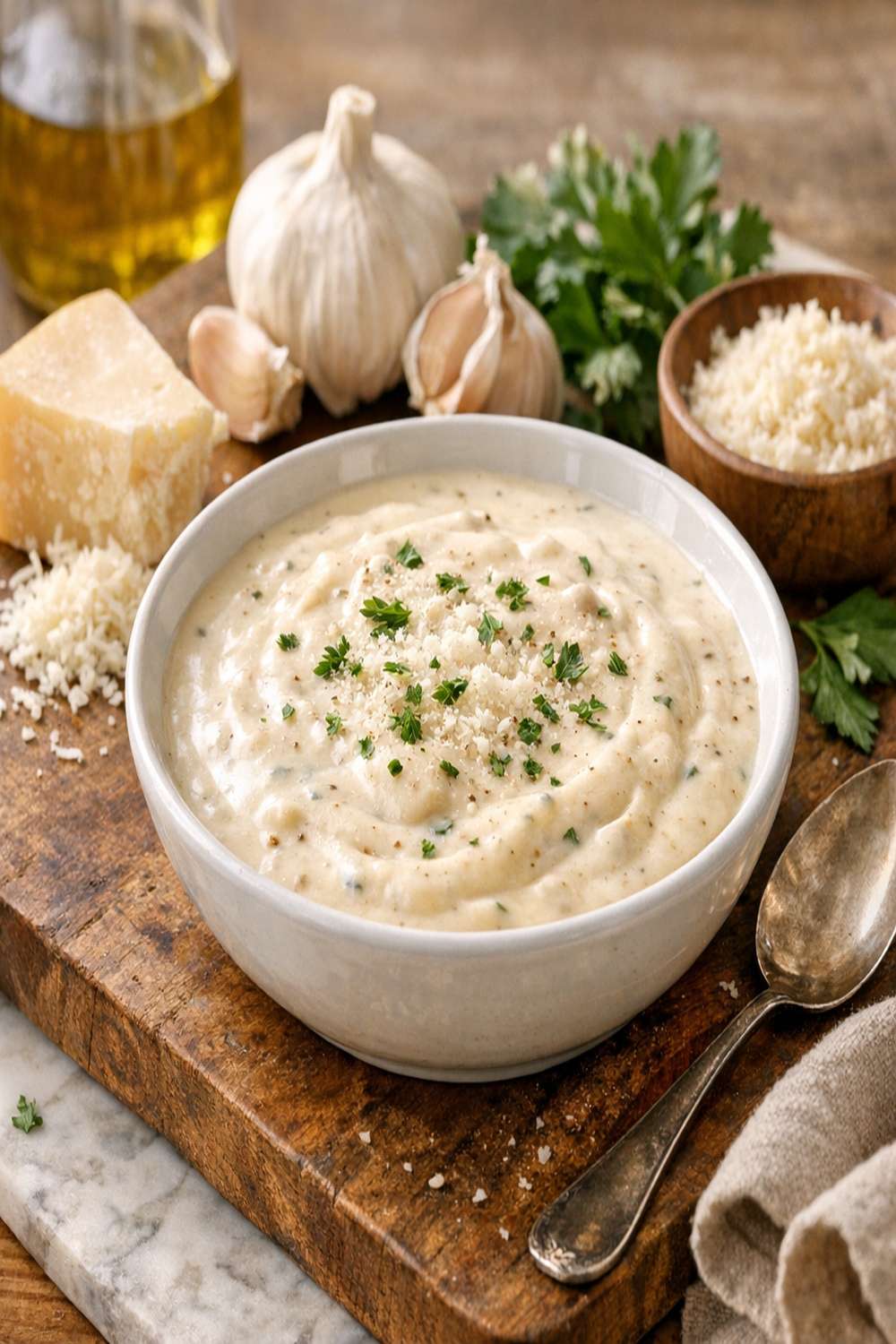
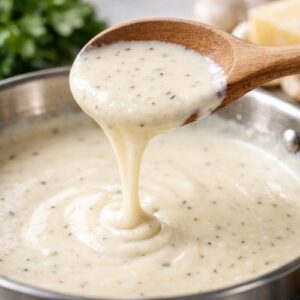
- At this point, your sauce should be silky, smooth, and luxurious. It should flow like heavy cream, not like water, but it shouldn't be stiff. If it's too thick, whisk in a tablespoon of warm cream or pasta water. If it's too thin, let it simmer for another minute or two. Taste one final time. Does it need more lemon brightness? Does the garlic need more presence? Make tiny adjustments now. Once you're happy, serve immediately over your chosen protein or pasta.
Notes
- Sauce breaks into a greasy, separated mess—this happens because your heat was too high or you added cream too quickly. Solution: Don't panic. Strain out the broken solids. Start with a fresh pan, add 2 tablespoons of cold cream, and whisk in the broken sauce very slowly over low heat. The cold cream helps re-emulsify everything
- Garlic tastes raw or harsh instead of sweet—you didn't cook it long enough, or your garlic was cut too chunky. Solution: For this batch, accept the flavor (it's still good!). Next time, mince the garlic finer and stir it for the full 90 seconds. If you're mid-cooking, just simmer a bit longer
- Sauce is thin and watery, not coating properly—you either didn't simmer long enough or your cream wasn't full-fat. Solution: Increase heat to medium-high and let it bubble more vigorously for 2–3 more minutes. If that doesn't work, whisk in ½ teaspoon of cornstarch mixed with 1 tablespoon cold water
- Sauce tastes one-dimensional, usually just salty—you didn't use enough lemon or you forgot the nutmeg. Solution: Add ½ teaspoon more lemon juice and a tiny pinch of nutmeg. These ingredients lift the entire flavor profile instantly