
Creamy Parmesan Garlic Sauce Recipe
 By
By This post contains affiliate links. As an Amazon Associate I earn from qualifying purchases.
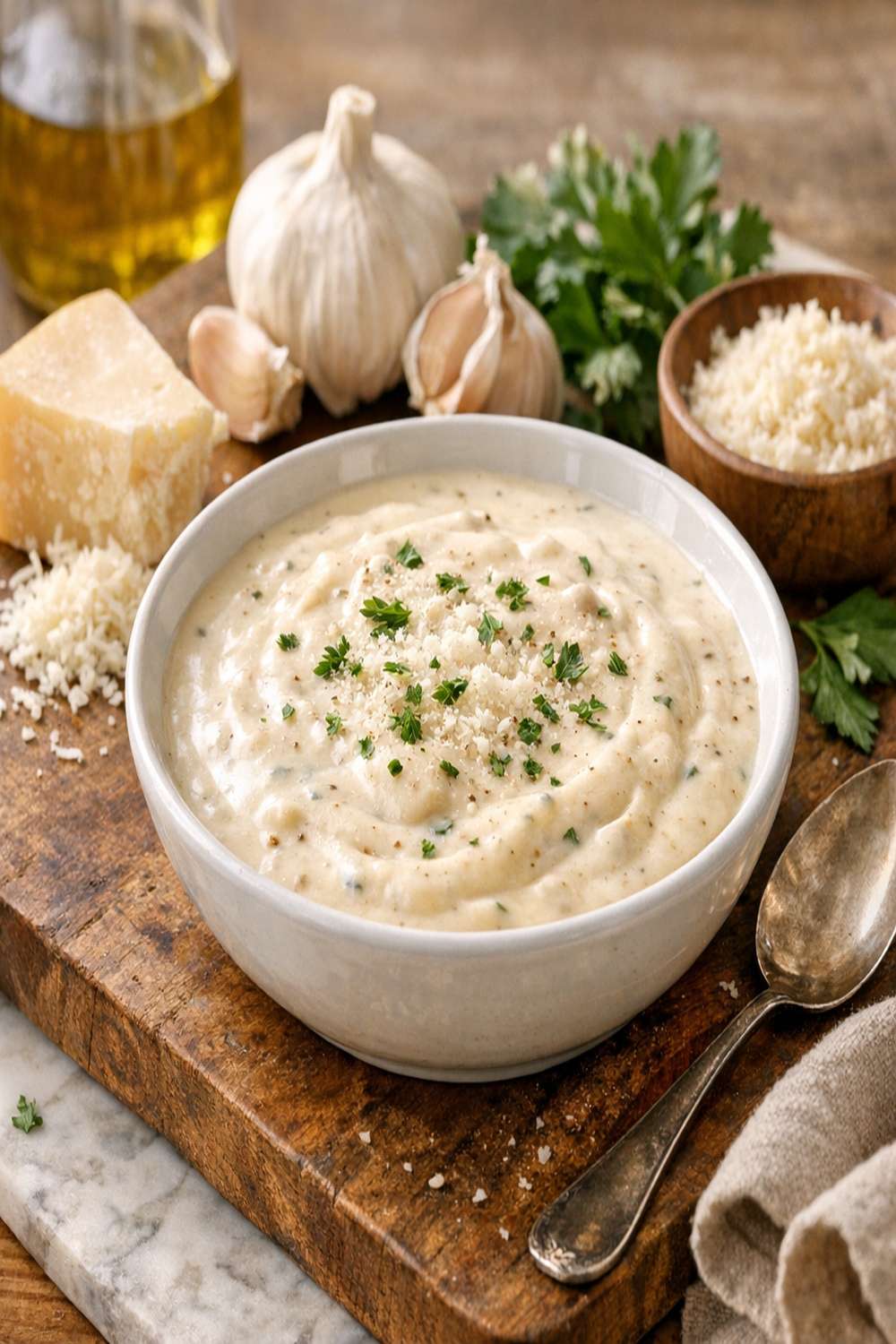
Learning to make a creamy Parmesan garlic sauce isn’t just about this dish—it’s about mastering a technique that unlocks dozens of other recipes. I still remember the exact moment this clicked for me. I was in culinary school, struggling to understand why my sauces would break or separate, and my instructor simply said, “You’re rushing the emulsion.” That single phrase changed my entire approach to cooking. Once I understood how fat, liquid, and heat work together, everything became easier. Today, I’m sharing that same breakthrough with you, because when you nail this technique, you’ll never buy jarred sauce again.
Master the Technique Behind Creamy Parmesan Garlic Sauce (And Never Struggle in the Kitchen Again)
I was 23 years old, fresh out of my nutrition degree, and honestly terrified of cooking. My mom had always made it look so effortless, but whenever I tried to recreate her silky sauces, they’d either break into a greasy mess or stay thin and watery. One afternoon, while helping a culinary instructor prep dinner service, I watched her make this exact sauce. She didn’t rush. She didn’t panic when the cream hit the pan. She understood the why behind each step, and that’s what I want to give you today. This isn’t about following a recipe blindly—it’s about understanding the science so you can troubleshoot, adapt, and create with confidence.
The Core Technique Explained
What we’re mastering here is called emulsification through gradual heat and fat distribution. Think of it this way: butter contains fat and water. When you melt it gently, these components separate slightly, creating the perfect base for building a sauce. The garlic introduces flavor while the cream provides the body. The cheese—this is crucial—adds both flavor and helps stabilize the entire emulsion through its natural proteins and fats.
The real magic happens when you understand that sauces break when you rush them. Low, gentle heat allows the fats and liquids to integrate slowly and completely. If your pan is too hot, the proteins in the cream seize up and reject the fat, creating a grainy, broken texture. When you keep everything at a gentle simmer and stir consistently, you’re allowing all the components to work together harmoniously. This is why timing matters so much—and why 30 minutes is more than enough time to nail this.
What This Technique Unlocks
Once you master this creamy emulsified sauce method, you can apply it to countless dishes. The technique remains the same; only the aromatics and additions change. Here are five dishes you’ll suddenly be able to make with confidence:
- Mushroom cream sauce—sauté mushrooms instead of garlic, follow the same emulsification method
- Lemon butter sauce with herbs—uses the same gentle heat and fat distribution principles
- Bacon and onion cream sauce—fat from bacon replaces some butter; technique stays identical
- Tomato basil cream sauce—tomatoes replace some cream; emulsification process is unchanged
- Truffle cream sauce—luxury version using the exact same foundation
The Ingredients—Chosen to Teach the Technique
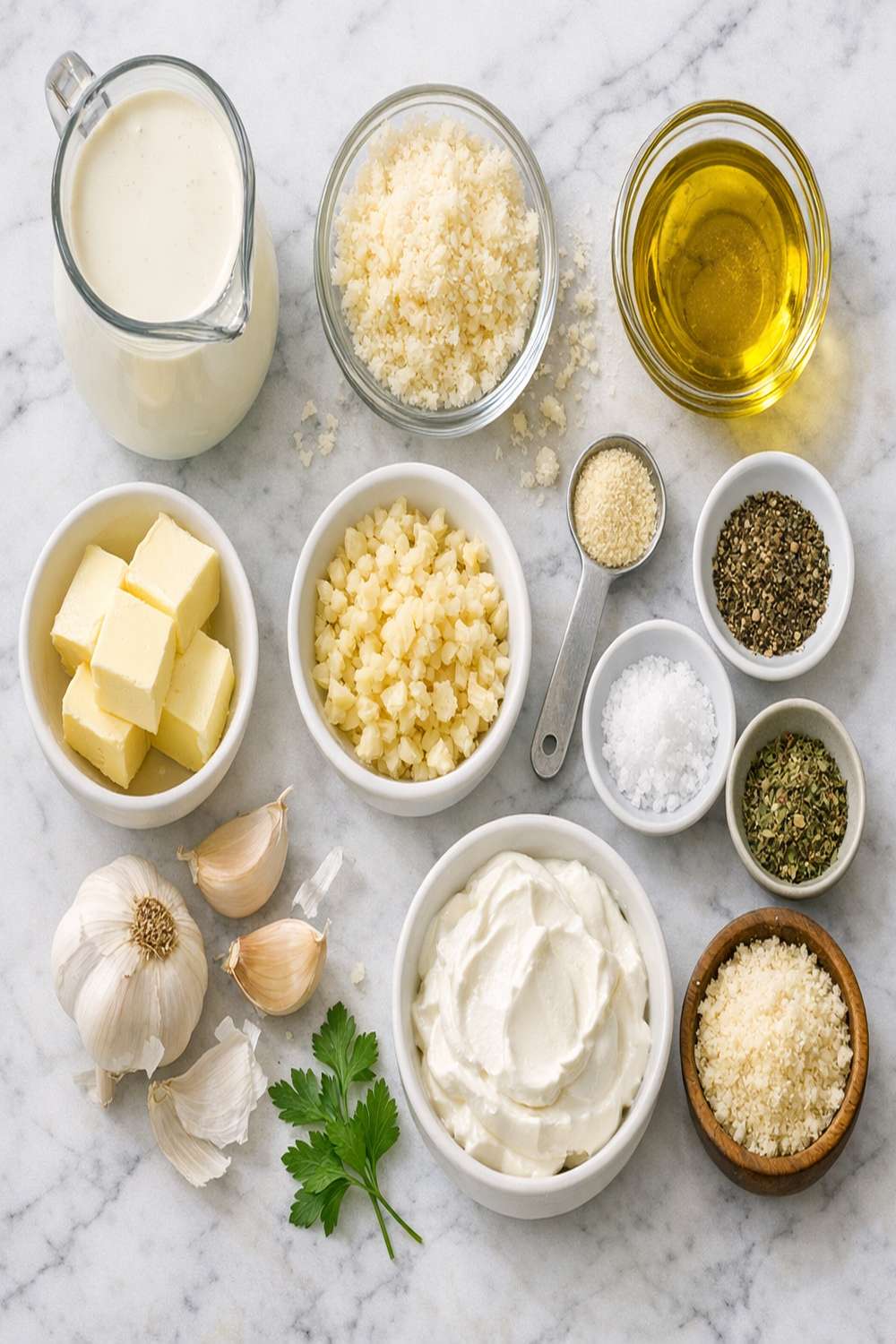
Every ingredient here serves a purpose in teaching you how sauces actually work. I’ve chosen them specifically because they highlight different roles in the emulsification process. Understanding why each ingredient matters is what transforms you from someone who follows recipes to someone who creates them.
For Your Sauce (Makes approximately 1¼ cups)
- 2 tablespoons unsalted butter (the fat foundation that carries flavor and creates richness)
- Sea salt and freshly ground black pepper to taste (magnifies every other flavor in the sauce)
- 4–6 fresh garlic cloves, minced extremely fine (releases its allicins slowly for deeper flavor development)
- ½ cup finely grated Parmigiano-Reggiano cheese (the proteins in aged cheese help stabilize the entire emulsion)
- 1 cup heavy cream (full-fat is non-negotiable for proper emulsification)
- ¼ teaspoon fresh nutmeg, finely grated (the secret ingredient that makes people ask what’s in your sauce)
- 1 teaspoon fresh lemon juice (brightens the sauce and prevents it from tasting heavy)
The Masterclass: How to Make Creamy Parmesan Garlic Sauce
This is where the real learning happens. I’m walking you through not just what to do, but why each step matters. Pay attention to the sensory cues—your eyes, nose, and ears tell you more than any timer ever could.
Step 1: Start With the Right Pan and Proper Heat
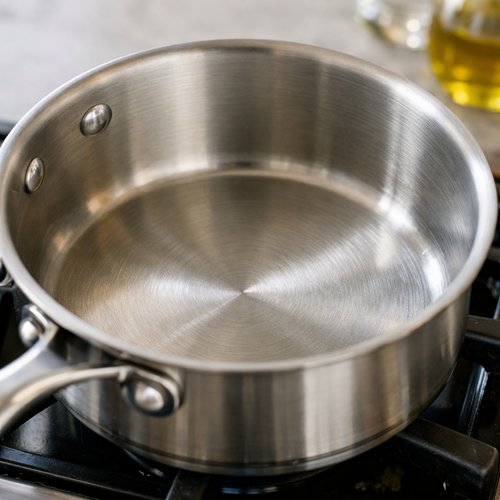
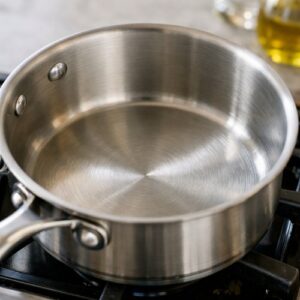
Grab a heavy-bottomed saucepan or small skillet. Why heavy-bottomed? Because even heat distribution prevents hot spots that can break your sauce. Light, flimsy pans create temperature fluctuations that cause the cream to curdle. Set your heat to medium—not medium-high, not high. Medium. Place your butter in the pan and let it melt slowly. You’ll know it’s ready when it’s completely liquid but the pan itself is only warm to the touch on the outside. This whole step should take about 2 minutes. If your butter is sizzling aggressively, your heat is too high. Turn it down.
Step 2: Add Garlic and Build Flavor Gradually
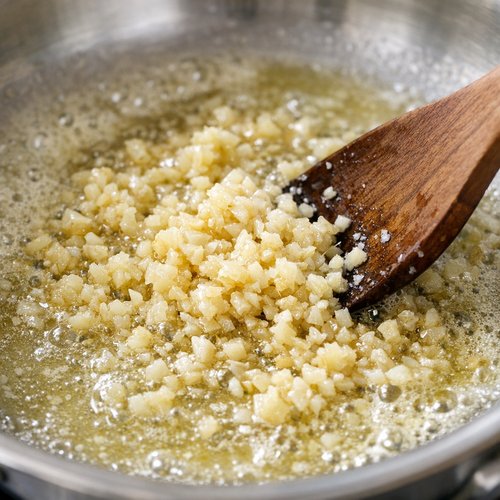
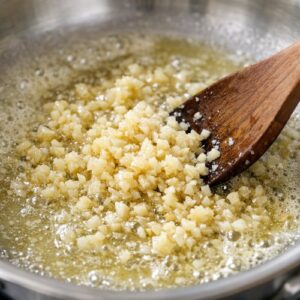
Once your butter is melted, add your minced garlic. Here’s what most people do wrong: they let it sit without stirring, or they cook it too fast. What you want to do is stir it almost constantly for about 60–90 seconds. You’re not trying to brown it. You’re trying to gently coax the flavor compounds out of the garlic so they infuse into the butter. The garlic should look slightly softer and smell absolutely incredible—toasted but not brown. If it starts turning golden, your heat is too high. Lower it immediately. The goal is fragrant, not crispy.
Step 3: Pour in the Cream Slowly While Stirring
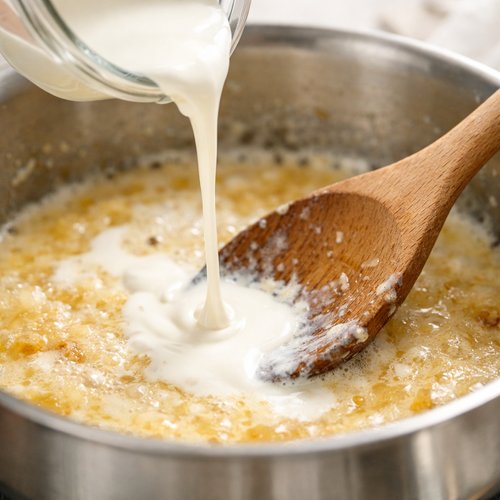
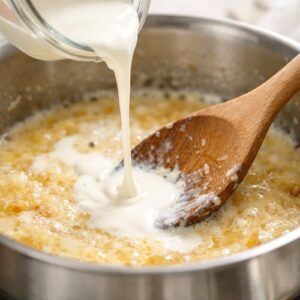
This is the moment that separates success from failure. Pour your cream in slowly—and I mean slowly. Start with about ¼ cup while stirring constantly. Wait 30 seconds. Then add another ¼ cup. This gradual incorporation allows the fat from the butter to gently distribute throughout the cream instead of clumping or separating. If you dump all the cream in at once, you shock the system and break the emulsion. Once you’ve added all the cream, increase your heat to medium and bring the whole thing to a gentle simmer. You should see tiny bubbles breaking the surface, not a rolling boil.
Step 4: Simmer and Reduce Slightly
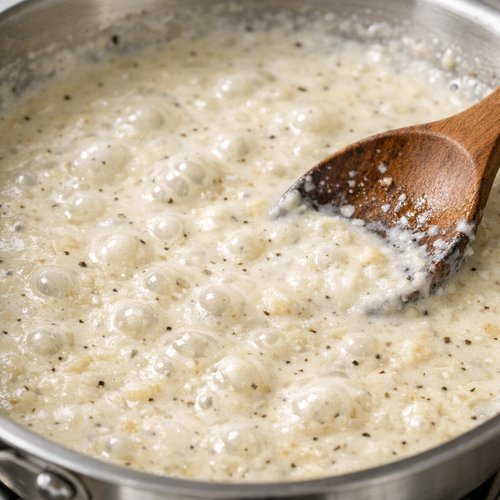
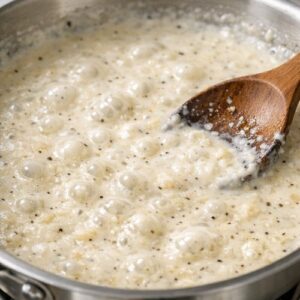
Let this bubble gently for about 3–4 minutes. During this time, the sauce will thicken slightly as some of the liquid evaporates. Here’s your technique checkpoint: the sauce should coat the back of a spoon when you dip it in and drag your finger across it. If it runs off immediately, it needs more time. If it’s thick and sluggish, you’ve simmered too long. Keep stirring frequently so nothing sticks to the bottom. The color will deepen slightly and become more luxurious-looking.
Step 5: Add Cheese and Seasonings—This Is Where Precision Matters
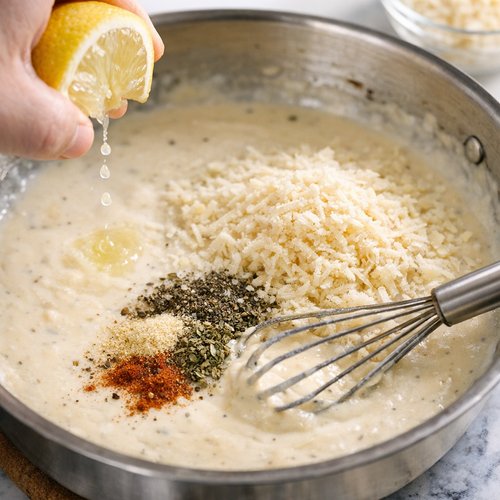
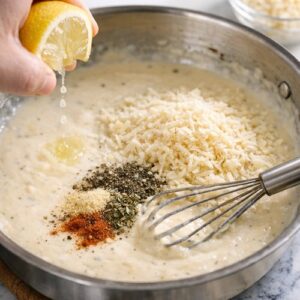
Remove your pan from direct heat and stir in the lemon juice first. This slightly cools the mixture and prevents the cheese from overcooking. Then, add your grated Parmesan while stirring constantly. The heat from the sauce melts the cheese, and your stirring distributes it evenly. If you dump it in and don’t stir, you’ll get clumpy pockets instead of a silky sauce. Add the nutmeg. Taste it. Now add salt and pepper gradually, tasting between additions. Remember, Parmesan is already salty, so be conservative. This final seasoning step should take about 2 minutes total.
Step 6: Final Texture Check and Service
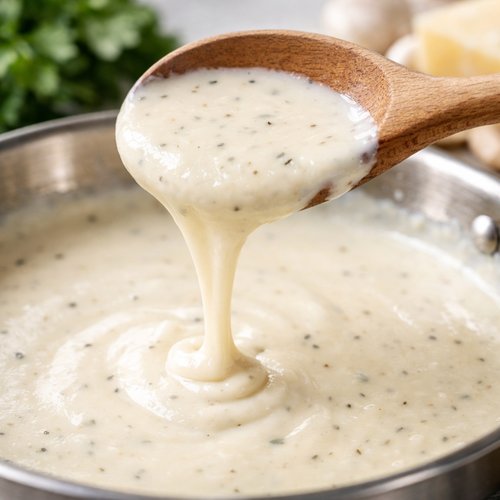
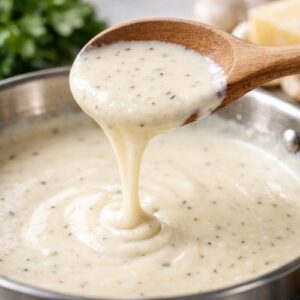
At this point, your sauce should be silky, smooth, and luxurious. It should flow like heavy cream, not like water, but it shouldn’t be stiff. If it’s too thick, whisk in a tablespoon of warm cream or pasta water. If it’s too thin, let it simmer for another minute or two. Taste one final time. Does it need more lemon brightness? Does the garlic need more presence? Make tiny adjustments now. Once you’re happy, serve immediately over your chosen protein or pasta.
How to Know You’ve Mastered the Technique
Mastery isn’t about perfection on the first try—it’s about recognizing when you’ve nailed it and understanding why. Here are the sensory indicators that prove you’ve got this technique down:
- Visual: Silky, glossy, and light cream-colored—when light hits it, it catches like silk rather than looking flat or greasy. There are no visible specks of broken sauce or graininess. When you dip a spoon in it, it clings evenly all the way around
- Aroma: Deeply garlicky but not acrid or burnt—when you smell it, you smell toasted garlic and rich cream, not harsh sulfur or charred notes. The garlic aroma should make your mouth water, not make you wince
- Mouthfeel: Coats your palate completely without feeling greasy—on your tongue, it should feel luxurious and rich, but not leave a heavy film. It should melt on your tongue within seconds and leave behind pure flavor, not residual oil
- Flavor balance: Every component is present and harmonious—you taste garlic, saltiness from the Parmesan, subtle sweetness from the cream, brightness from the lemon, and warmth from the nutmeg. No single flavor dominates or tastes harsh
Common Technique Mistakes and How to Fix Them
- Sauce breaks into a greasy, separated mess—this happens because your heat was too high or you added cream too quickly. Solution: Don’t panic. Strain out the broken solids. Start with a fresh pan, add 2 tablespoons of cold cream, and whisk in the broken sauce very slowly over low heat. The cold cream helps re-emulsify everything
- Garlic tastes raw or harsh instead of sweet—you didn’t cook it long enough, or your garlic was cut too chunky. Solution: For this batch, accept the flavor (it’s still good!). Next time, mince the garlic finer and stir it for the full 90 seconds. If you’re mid-cooking, just simmer a bit longer
- Sauce is thin and watery, not coating properly—you either didn’t simmer long enough or your cream wasn’t full-fat. Solution: Increase heat to medium-high and let it bubble more vigorously for 2–3 more minutes. If that doesn’t work, whisk in ½ teaspoon of cornstarch mixed with 1 tablespoon cold water
- Sauce tastes one-dimensional, usually just salty—you didn’t use enough lemon or you forgot the nutmeg. Solution: Add ½ teaspoon more lemon juice and a tiny pinch of nutmeg. These ingredients lift the entire flavor profile instantly
Practice Variations to Build Your Skill
Beginner variation: Garlic and herb version—follow the main recipe exactly, but add 1 tablespoon of fresh parsley and ½ teaspoon of dried thyme to the finished sauce. This teaches you how herbs integrate with a finished sauce without overwhelming it.
Intermediate variation: Pan-seared chicken with cream sauce—cook 2 boneless chicken breasts in the same pan until golden (about 6 minutes per side). Remove them, make the sauce in the same pan using all the browned bits, and pour over the chicken. This teaches you how fond (those browned bits) enhances emulsified sauces.
Advanced variation: Creamy lemon garlic shrimp sauce—make the sauce as directed, but reduce cream to ¾ cup and add ¼ cup dry white wine before the cream. Sear shrimp separately, then add to the finished sauce. This teaches you how alcohol interacts with fat-based sauces and how timing works with proteins.
Can I Store Creamy Parmesan Garlic Sauce?
Absolutely, and understanding the storage nuances teaches you even more about emulsification. In the refrigerator, this sauce keeps for up to 3 days in an airtight container. When you reheat it, do so very gently over low heat, stirring constantly and adding a splash of warm cream or milk if it separates slightly. The cold causes the emulsion to tighten, but gentle heat and additional liquid bring it back to life.
In the freezer, it lasts about 2 months, though the texture may be slightly less silky when thawed (freezing can break some emulsions). Thaw overnight in the refrigerator, then reheat gently with 2 tablespoons of fresh cream and constant stirring. For best results, I recommend making this sauce fresh each time—it takes only 30 minutes, and fresh tastes noticeably better.
Expert’s Nutritional Tip
As a registered dietitian, I get asked constantly whether cream sauces are “healthy.” Here’s my honest answer: this sauce is nutrient-dense when used properly. Full-fat dairy provides fat-soluble vitamins (A, D, and K2) that your body needs for hormone production and immune function. The Parmesan adds bioavailable calcium and protein. Garlic contains allicins, which have been studied for anti-inflammatory properties. The key is portion control and balance. This sauce is meant to be a complement, not the main event. Two ounces (about ¼ cup) over a protein and vegetable creates a complete, nourishing meal. It’s far superior nutritionally to low-fat versions that replace fat with additives.
Make-Ahead Guide
This is where my professional experience as a culinary dietitian comes in handy. Don’t make the full sauce ahead—it’s truly better fresh. However, you can prep everything else the night before. Mince your garlic and store it in a small airtight container in the refrigerator (it’ll be fine for 24 hours). Grate your Parmesan and store it in the same container next to the garlic. Keep your cream and butter ready on the counter about 10 minutes before cooking so they reach the right temperature.
On cooking day, the actual sauce-making takes exactly 15 minutes from start to finish. The remaining 15 minutes of our 30-minute promise accounts for whatever protein or pasta you’re serving it with. This is smart meal planning—you do the mental work and prep ahead, then execute quickly when you’re hungry.
Seasonal Variations
Spring version—add ½ cup fresh asparagus tips or peas to the finished sauce. The bright vegetables add visual appeal and mild sweetness that complements the garlic beautifully.
Summer version—add fresh lemon zest along with the juice, and incorporate fresh basil at the very end. The herbs taste lighter and fresher during warm months.
Fall and winter version—increase nutmeg to ½ teaspoon and add a pinch of white pepper. These warmer spices feel more satisfying when it’s cold outside. Serve over roasted root vegetables or hearty proteins like pork.
Nutrition Information
Per ¼-cup serving (approximately 60g): 180 calories, 16g fat (10g saturated), 7g carbohydrates, 1g fiber, 6g protein, and 320mg sodium. The nutrition data comes from USDA FoodData Central standards for whole cream and aged Parmesan. This is a concentrated sauce meant in small portions, so a typical serving is 2–3 ounces drizzled over protein and vegetables. One batch of this recipe (makes approximately 1¼ cups) serves 5–6 people when used properly, keeping per-person caloric impact reasonable for the nutrient density provided.
What to Serve With Creamy Parmesan Garlic Sauce?
This sauce is magical because it enhances almost anything it touches. The technique you’ve just mastered makes it flexible enough to pair with proteins, vegetables, and grains across multiple cuisines. Here are my favorite pairings, tested in both my professional kitchen and my home kitchen:
- Pan-seared fish like the Air Fryer Grouper Recipe—the sauce’s richness balances the delicate, flaky texture of white fish perfectly
- Roasted chicken breast—the sauce adds moisture and elegance without overwhelming the protein’s subtle flavor
- Pasta ribbons like fettuccine or pappardelle—the sauce clings beautifully and creates a restaurant-quality dish in your home kitchen
- Grilled or roasted vegetables like the Butternut Squash Spinach Recipe—the garlic and Parmesan add savory depth that makes vegetables feel substantial
- Sautéed shrimp or scallops—these delicate proteins benefit from the sauce’s luxurious richness without overpowering their natural sweetness
- Roasted or grilled pork like Boneless Pork Ribeye Recipe—the garlic complements pork’s natural flavors while the cream mellows any richness

Creamy Parmesan Garlic Sauce Recipe
Ingredients
Method
- Grab a heavy-bottomed saucepan or small skillet. Why heavy-bottomed? Because even heat distribution prevents hot spots that can break your sauce. Light, flimsy pans create temperature fluctuations that cause the cream to curdle. Set your heat to medium—not medium-high, not high. Medium. Place your butter in the pan and let it melt slowly. You'll know it's ready when it's completely liquid but the pan itself is only warm to the touch on the outside. This whole step should take about 2 minutes. If your butter is sizzling aggressively, your heat is too high. Turn it down.
- Once your butter is melted, add your minced garlic. Here's what most people do wrong: they let it sit without stirring, or they cook it too fast. What you want to do is stir it almost constantly for about 60–90 seconds. You're not trying to brown it. You're trying to gently coax the flavor compounds out of the garlic so they infuse into the butter. The garlic should look slightly softer and smell absolutely incredible—toasted but not brown. If it starts turning golden, your heat is too high. Lower it immediately. The goal is fragrant, not crispy.
- This is the moment that separates success from failure. Pour your cream in slowly—and I mean slowly. Start with about ¼ cup while stirring constantly. Wait 30 seconds. Then add another ¼ cup. This gradual incorporation allows the fat from the butter to gently distribute throughout the cream instead of clumping or separating. If you dump all the cream in at once, you shock the system and break the emulsion. Once you've added all the cream, increase your heat to medium and bring the whole thing to a gentle simmer. You should see tiny bubbles breaking the surface, not a rolling boil.
- Let this bubble gently for about 3–4 minutes. During this time, the sauce will thicken slightly as some of the liquid evaporates. Here's your technique checkpoint: the sauce should coat the back of a spoon when you dip it in and drag your finger across it. If it runs off immediately, it needs more time. If it's thick and sluggish, you've simmered too long. Keep stirring frequently so nothing sticks to the bottom. The color will deepen slightly and become more luxurious-looking.
- Remove your pan from direct heat and stir in the lemon juice first. This slightly cools the mixture and prevents the cheese from overcooking. Then, add your grated Parmesan while stirring constantly. The heat from the sauce melts the cheese, and your stirring distributes it evenly. If you dump it in and don't stir, you'll get clumpy pockets instead of a silky sauce. Add the nutmeg. Taste it. Now add salt and pepper gradually, tasting between additions. Remember, Parmesan is already salty, so be conservative. This final seasoning step should take about 2 minutes total.
- At this point, your sauce should be silky, smooth, and luxurious. It should flow like heavy cream, not like water, but it shouldn't be stiff. If it's too thick, whisk in a tablespoon of warm cream or pasta water. If it's too thin, let it simmer for another minute or two. Taste one final time. Does it need more lemon brightness? Does the garlic need more presence? Make tiny adjustments now. Once you're happy, serve immediately over your chosen protein or pasta.
Notes
FAQs
Why does my sauce break even though I’m following the steps correctly?
Breaking usually indicates temperature shock. Even if your heat feels right, your cream might be too cold straight from the fridge. Let your cream sit on the counter for 15 minutes before using it. Also, check that your pan isn’t developing hot spots—if one area of the pan is significantly hotter than another, it creates uneven cooking. Use a lower heat setting and stir more frequently.
Can I use pre-shredded Parmesan instead of freshly grated?
I don’t recommend it. Pre-shredded cheese contains anti-caking agents that prevent proper emulsification and create a grainy texture. Freshly grating takes 2 minutes with a microplane and makes a genuine difference in your final result. This is one instance where cutting a corner actually costs you quality.
What if I want a thicker sauce for coating pasta more heavily?
Simmer it longer—that’s the simplest approach. Each additional minute of simmering thickens the sauce by reducing water content. If you need it thicker immediately, whisk ½ teaspoon of cornstarch with 1 tablespoon of cold milk or cream, then whisk that slurry into your sauce over low heat. It’ll thicken within 30 seconds.
Is there a dairy-free version of this sauce that works the same way?
The emulsification technique can work with coconut cream or oat cream, but the flavor changes dramatically because the proteins and fats in dairy are irreplaceable. If you must go dairy-free, use full-fat coconut cream and nutritional yeast instead of Parmesan. The technique remains the same, but expect a different (though still delicious) result.
How do I know when the sauce is at the perfect temperature for serving?
It should be steaming but not actively boiling. When you dip a spoon in, your hand should feel warmth but not painful heat. If it’s been sitting for more than a couple minutes, give it a quick stir over low heat for 30 seconds to warm it back up before serving. Temperature affects how the sauce coats your mouth and releases its flavors.
More Recipes Using This Technique
- Aglio E Olio Shrimp Recipe—uses the same slow garlic infusion technique in a lighter application
- my weeknight pasta—applies emulsification principles with a different cheese for rich, creamy results
- Brie And Bacon Recipe—teaches how soft cheeses work in cream sauces with added proteins
- Cheese Board Recipe—helps you understand cheese pairings and flavor profiles that complement creamy preparations
You’ve just learned something that transforms your entire kitchen experience. This creamy Parmesan garlic sauce isn’t just a recipe—it’s a gateway to understanding how professional cooks think about food. You now know the importance of temperature control, how emulsions work, why timing matters, and how to troubleshoot when something goes wrong. That knowledge, applied consistently, is what separates confident home cooks from people who just follow recipes.
The next time you make this sauce, you’ll notice things you didn’t catch this first time. The exact moment the garlic becomes fragrant. The way the sauce changes texture as it simmers. The balance point where it coats but still flows. These observations build mastery. Each time you make it, you’re training your senses to recognize what “right” looks, smells, and feels like. That’s how you become the kind of cook your family asks to make dinner.
I can’t wait to hear how this goes for you. Go make this sauce. Taste your way through it. Trust the process. And most importantly, enjoy every moment of it. Hope you find joy in every recipe!