
Ingredients
Method
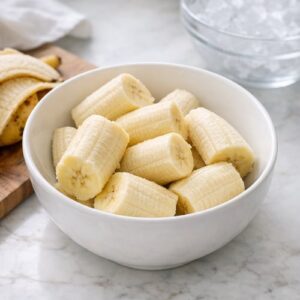
Step 1: Peel and Prepare Your Bananas
- Start by peeling your bananas and breaking them into 3 to 4 chunks. If your bananas are very soft or warm, pop them in the freezer for just 5 minutes while you gather your other ingredients. This temperature control makes blending easier and creates a fluffier final pancake. I learned this trick from watching how professional kitchens work with fruit—temperature consistency matters for texture.
Step 2: Combine Everything in Your Blender
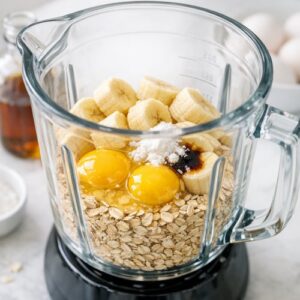
- Pour your rolled oats into the blender first, followed by the banana chunks, eggs, baking powder, salt, and vanilla extract if using. The order matters here—oats on the bottom prevents them from clinging to the sides of the blender jar. This is a technique I use constantly in my nutrition counseling when helping families simplify their cooking process.
Step 3: Blend Until Smooth (But Not Over-Processed)
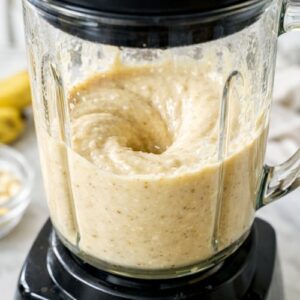
- Start your blender on low speed, then gradually increase to medium-high. You're aiming for a consistency that's smooth like thick pancake batter, but you still want to see tiny flecks of oat throughout. Don't over-blend—about 45 to 60 seconds is your sweet spot. This preserves some texture and prevents the oats from turning into flour, which can make your pancakes dense instead of tender.
Step 4: Let the Batter Rest
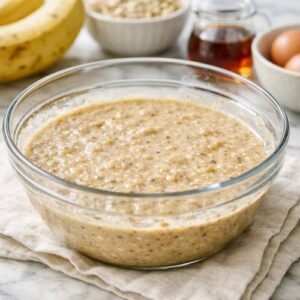
- This is the step most people skip, and it's actually crucial. Allow your batter to sit at room temperature for 10 to 15 minutes. During this time, the oats are absorbing liquid and hydrating fully, and your batter will naturally thicken slightly. This resting period creates lighter, fluffier pancakes without any additional effort. It's pure food science working in your favor.
Step 5: Heat Your Griddle to Medium Heat
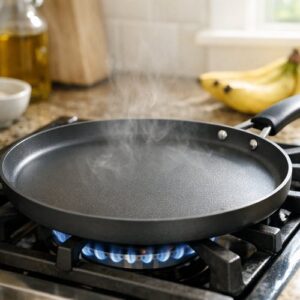
- While your batter rests, place your non-stick skillet or griddle over medium heat. Medium is essential here—too high and your pancakes burn before cooking through; too low and they'll spread too thin. Test your griddle temperature by flicking a tiny drop of water onto the surface; it should sizzle gently and disappear in about 2 seconds. This is the Goldilocks temperature for perfect pancakes.
Step 6: Lightly Coat Your Cooking Surface
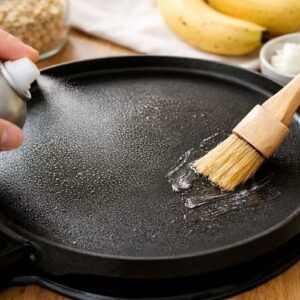
- Give your griddle a light spray of cooking spray or brush with just ½ teaspoon of coconut oil. Less is more here—these pancakes contain eggs, which naturally prevent sticking when your griddle is properly heated. Avoid over-oiling, which can make them greasy and heavy.
Step 7: Cook Your Pancakes Until Golden
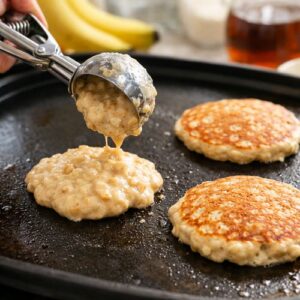
- Using a spoon or small ice cream scoop, drop rounds of batter onto your hot griddle, spacing them about 2 inches apart. You'll notice they start to set almost immediately. Cook until the edges look set and slightly darker, about 2 to 3 minutes per side. They should be golden brown, not pale. This caramelization creates flavor and signals that they're cooked through. Flip gently and cook the other side until golden as well.
Step 8: Serve Immediately While Warm
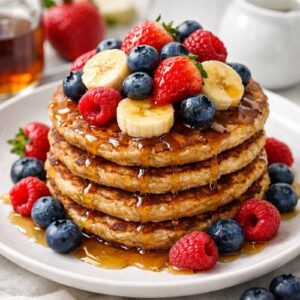
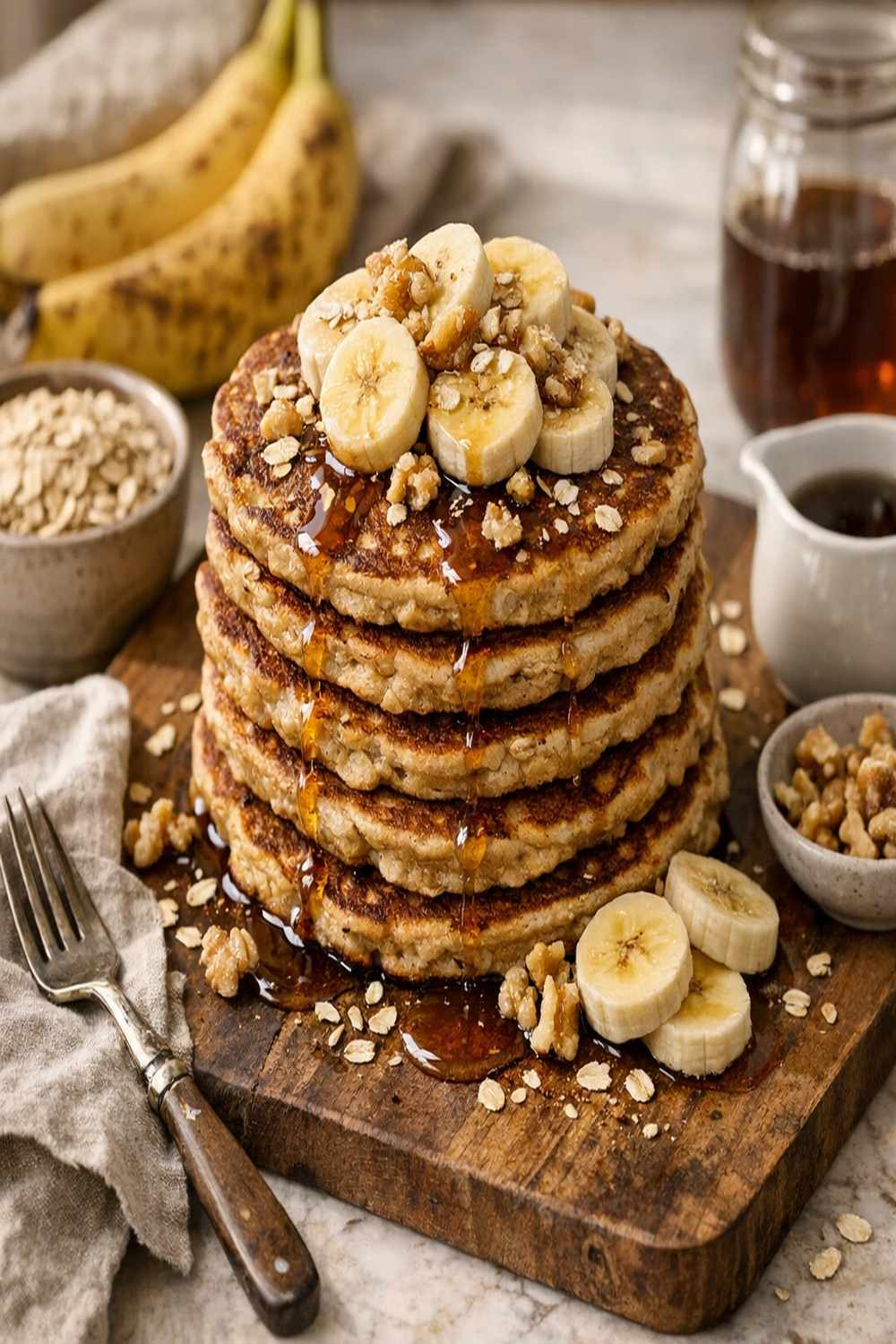
- Transfer your pancakes to a warm plate and serve right away. Top with a light drizzle of pure maple syrup and an abundance of fresh fruit. Berries are my go-to—their tartness plays beautifully against the natural sweetness of the banana—but sliced peaches, fresh strawberries, or diced mango all work wonderfully.