Ingredients
Method
Step 1: Gather Your Ingredients
- Start by measuring out your ingredients. Make sure to use fresh thyme—there’s a noticeable difference between fresh and dried herbs. The butter should be unsalted to control the saltiness.
Step 2: Boil the Water
- In a medium saucepan, bring 4 cups of water to a gentle boil over medium-high heat. If you want to adjust the creaminess of your polenta, you can add another half cup of water later as needed.
Step 3: Whisk in Cornmeal
- Once the water is boiling, add the salt. Slowly whisk in the cornmeal. This helps prevent lumps from forming. Continue whisking for about 1-2 minutes until the mixture is smooth.
Step 4: Cook the Polenta
- Reduce the heat to low. You’ll want to let your polenta simmer gently, stirring frequently. This stage is crucial. I recommend using a wooden spoon, as it allows for better stirring. Cook for about 30-40 minutes, or until the polenta thickens and pulls away from the sides of the pot.
Step 5: Add Flavor
- Stir in the butter and olive oil once the polenta reaches the desired consistency. Add the fresh thyme at this point. The aroma will fill your kitchen, transporting you to a cozy Italian bistro.
Step 6: Serve
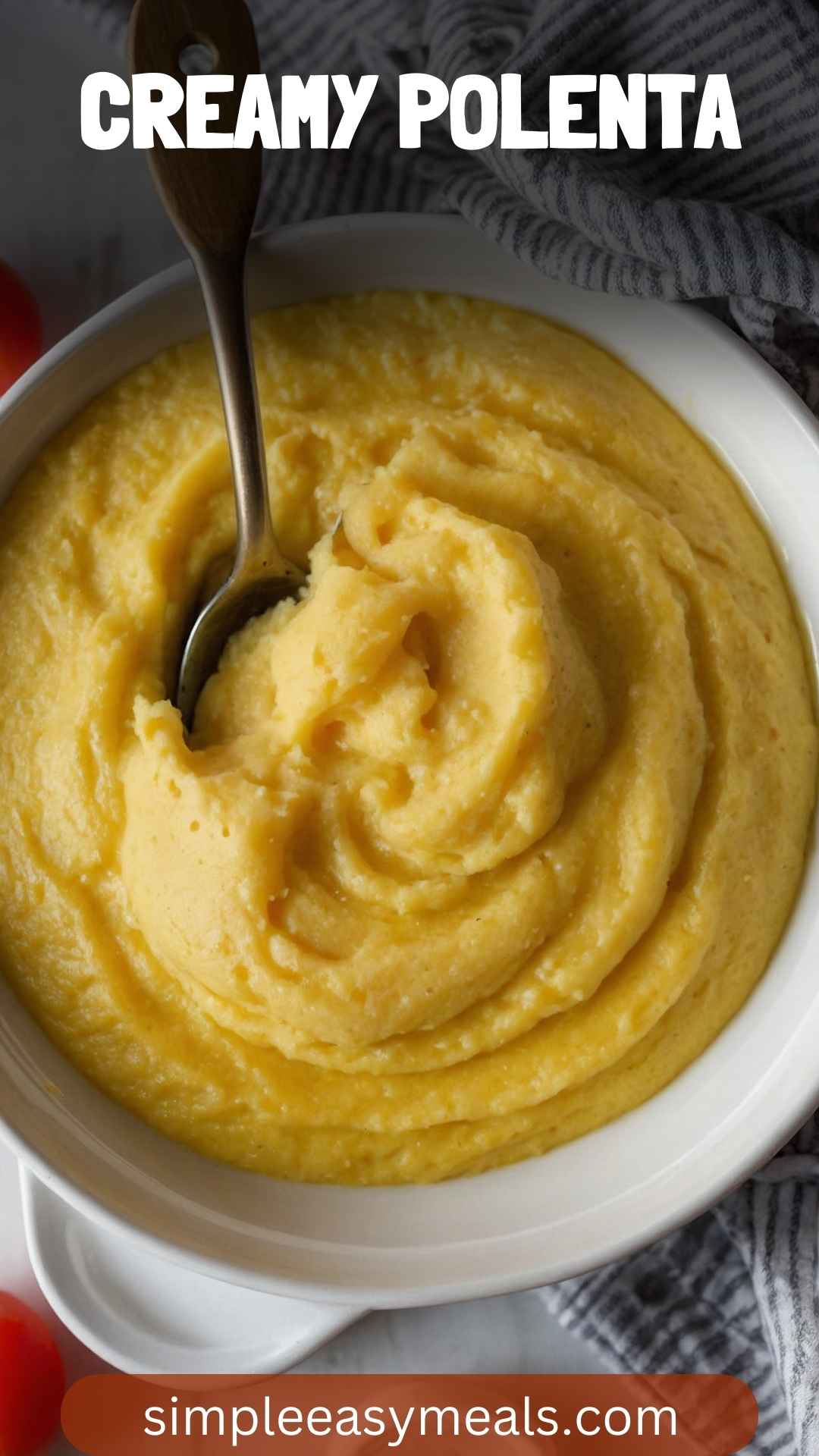
- Once you've combined all the flavors, spoon the creamy polenta into bowls. You can top it with sautéed vegetables, a flavorful sauce, or even some grilled chicken or seafood for a complete meal. The choice is yours!
Notes
- Coarse-Ground Cornmeal: I cannot emphasize enough how important the type of cornmeal is for this recipe. Coarse-ground cornmeal yields a more textured, hearty dish compared to finer varieties. It offers that rustic quality that I deeply appreciate in Italian cooking.
- Unsalted Butter: Using unsalted butter helps you control the sodium content. While flavor is essential, less sodium is appealing for many people. The butter adds that creamy richness that transforms your polenta into a luxurious dish.
- Fresh Thyme: The smell of fresh herbs enriches any meal. Thyme has a slight earthiness that perfectly complements the sweetness of cornmeal. Plus, it’s a great herb to keep on hand as it elevates many recipes.
- Olive Oil: The quality of your olive oil matters. A good extra virgin olive oil can enhance the flavor of the polenta. Choose one that you enjoy tasting on its own, as its flavor will come through.