Ingredients
Method
Step 1: Preparing the Oven and Baking Pan
- Preheat your oven to 350°F (175°C). This initial step is crucial for an even baking process. Grease a round cake pan or line it with parchment paper for easy release.
Step 2: Mixing the Wet Ingredients
- In a large mixing bowl, whisk together the eggs and caster sugar until the mixture is light and fluffy. This process introduces air into the batter, contributing to the cake's overall texture. Add in the melted butter, vanilla extract, and orange zest. Mix until fully combined.
Step 3: Combining the Dry Ingredients
- In another bowl, whisk together the almond meal, shredded coconut, baking soda, salt, and ground cinnamon. This step ensures that the dry ingredients are evenly distributed, which is key to a uniform rise and flavor throughout the cake.
Step 4: Merging the Mixtures
- Gradually fold the dry ingredients into the wet mixture. Use a spatula to gently combine them. You want to keep the mixture airy, so be cautious not to over-mix. Once combined, you’ll have a thick, delightful batter.
Step 5: Adding Slivered Almonds
- Mix in the slivered almonds, reserving a few to sprinkle on top. This will give the cake a lovely crunch when it’s baked.
Step 6: Baking the Cake
- Pour the batter into the prepared cake pan. Spread it evenly with a spatula, then sprinkle the remaining slivered almonds on top for a beautiful finish. Bake in the preheated oven for 25-30 minutes or until a toothpick inserted into the center comes out clean.
Step 7: Cooling and Serving
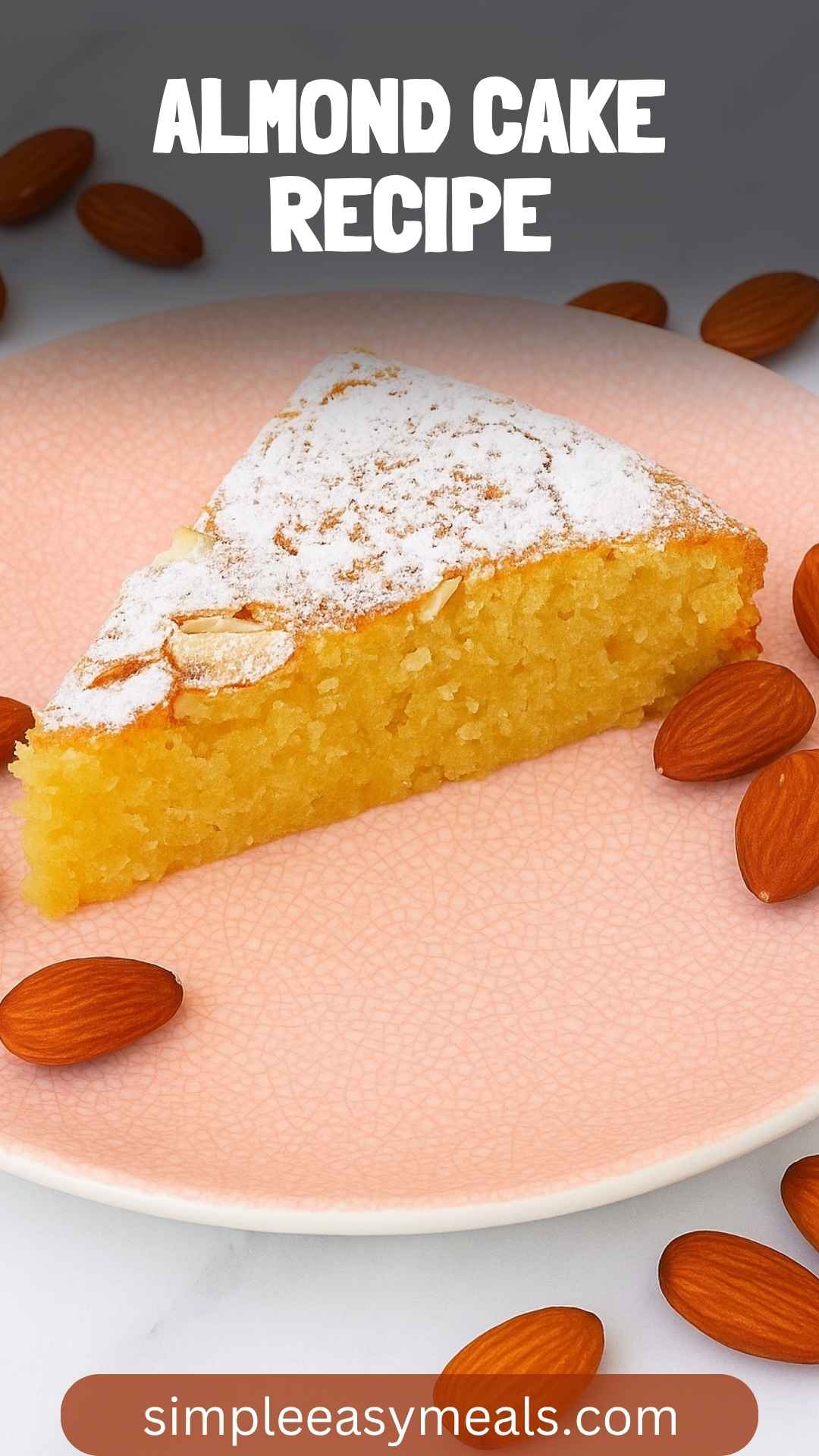
- Once baked, remove the cake from the oven and let it cool in the pan for about 10 minutes. Then carefully transfer it to a wire rack to cool completely. Dust with powdered sugar before serving.
Notes
- Room Temperature Eggs: Using eggs at room temperature helps them mix better and create a fluffier texture. If you forget to take them out in advance, place them in warm water for a few minutes.
- Almond Meal Quality: Not all almond meals are created equal. Choose a finely ground almond meal for a smoother cake texture.
- Butter Melting: Ensure your butter isn’t too hot when adding it to the eggs. It should be warm to the touch but not bubbling.
- Mixing Technique: When combining the dry and wet ingredients, use a gentle folding motion. This keeps the batter light and airy.
- Testing for Doneness: Every oven is different. Start checking your cake a few minutes early to avoid over-baking.