
Easy Lamb Curry Recipe
 By
By This post contains affiliate links. As an Amazon Associate I earn from qualifying purchases.
I still remember standing in my grandmother’s kitchen at age seven, watching her transform simple lamb into something absolutely magical. She’d layer spices with such intention, and the aroma would fill the entire house. I asked her once why it tasted so different from the versions I’d eaten elsewhere, and she smiled, saying, “Natasha, most people rush the spices—they don’t let them wake up first.” That lesson changed everything for me. Years later, as a registered dietitian, I realized her wisdom went beyond flavor; those spices she respected so deeply are packed with anti-inflammatory compounds and minerals. Today, I’m sharing the exact method that transforms lamb into a deeply satisfying curry that feels indulgent but comes together in just 30 minutes. If you’ve struggled with dry meat, muddy flavors, or curry that tastes one-dimensional, this is your answer. I’ve also paired this with recipes like Lemon Broccolini Recipe to create balanced, nutrient-dense meals my family comes back to every single week.
Why Your Lamb Curry Never Tastes Like Restaurant Versions (And How to Finally Fix It)
Here’s what I hear constantly: “My lamb turns out tough,” or “The spices taste bitter,” or worst of all, “It just tastes… flat.” I get it—I’ve been there. For years, I’d follow recipes that treated lamb curry like it was just another weeknight meal, skipping the crucial steps that actually matter. The difference between mediocre and magnificent isn’t fancy ingredients or hours of cooking. It’s understanding that lamb curry relies on a specific layering technique where spices bloom in fat before meeting the meat, and the meat itself needs to marinate briefly in yogurt to tenderize from the inside out. As a dietitian who’s spent years studying how cooking methods affect nutrient bioavailability, I can tell you that this approach does something beautiful—it breaks down proteins while infusing them with flavor compounds your body actually absorbs better.
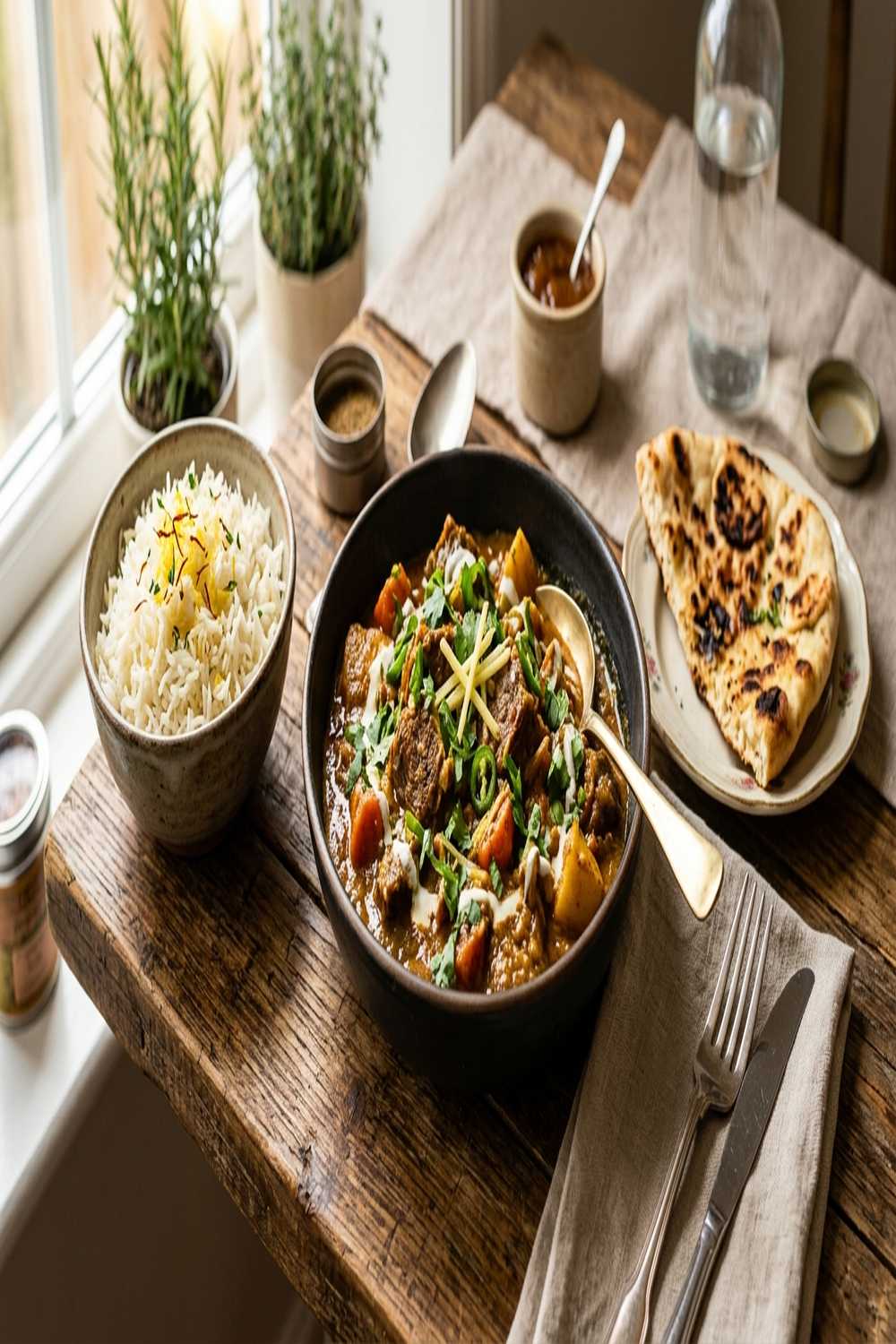
What Makes This Easy Lamb Curry Recipe Different?
Most lamb curries fail because people try to rush the foundation. They throw cold meat into barely-warm spices, or they skip marinating entirely. This recipe uses a two-phase spice blooming method: dry spices bloom in fat first, then wet spices join them to create a cohesive, layered flavor base. Before the meat even touches the pan, you’ve already built complexity. Then—and this is crucial—the lamb sits briefly in yogurt and ginger-garlic paste, which not only tenderizes it but also lets it absorb those aromatic compounds. The result? Every single bite is tender, flavorful throughout, and somehow tastes like you spent hours cooking when you really spent minutes prepping.
Before You Start: What You Need to Know
There are two things most recipes skip that completely change your outcome. First, use bone-in lamb cuts (shoulder or leg) because the bones contribute collagen that creates a silky sauce and deeper flavor—boneless cuts work, but they cook faster and produce a thinner sauce. Second, tempering your spices in oil or ghee is non-negotiable; this step activates their essential oils and prevents that bitter, raw spice taste that ruins so many homemade curries.
- Marinating meat in yogurt + spices before cooking – this penetrates the meat fibers, making them tender and ensuring flavor reaches all the way through, not just the surface
- Blooming spices in hot fat before adding liquid – skipping this creates a curry that tastes one-dimensional and harsh; blooming them creates depth and prevents bitterness
The Ingredients
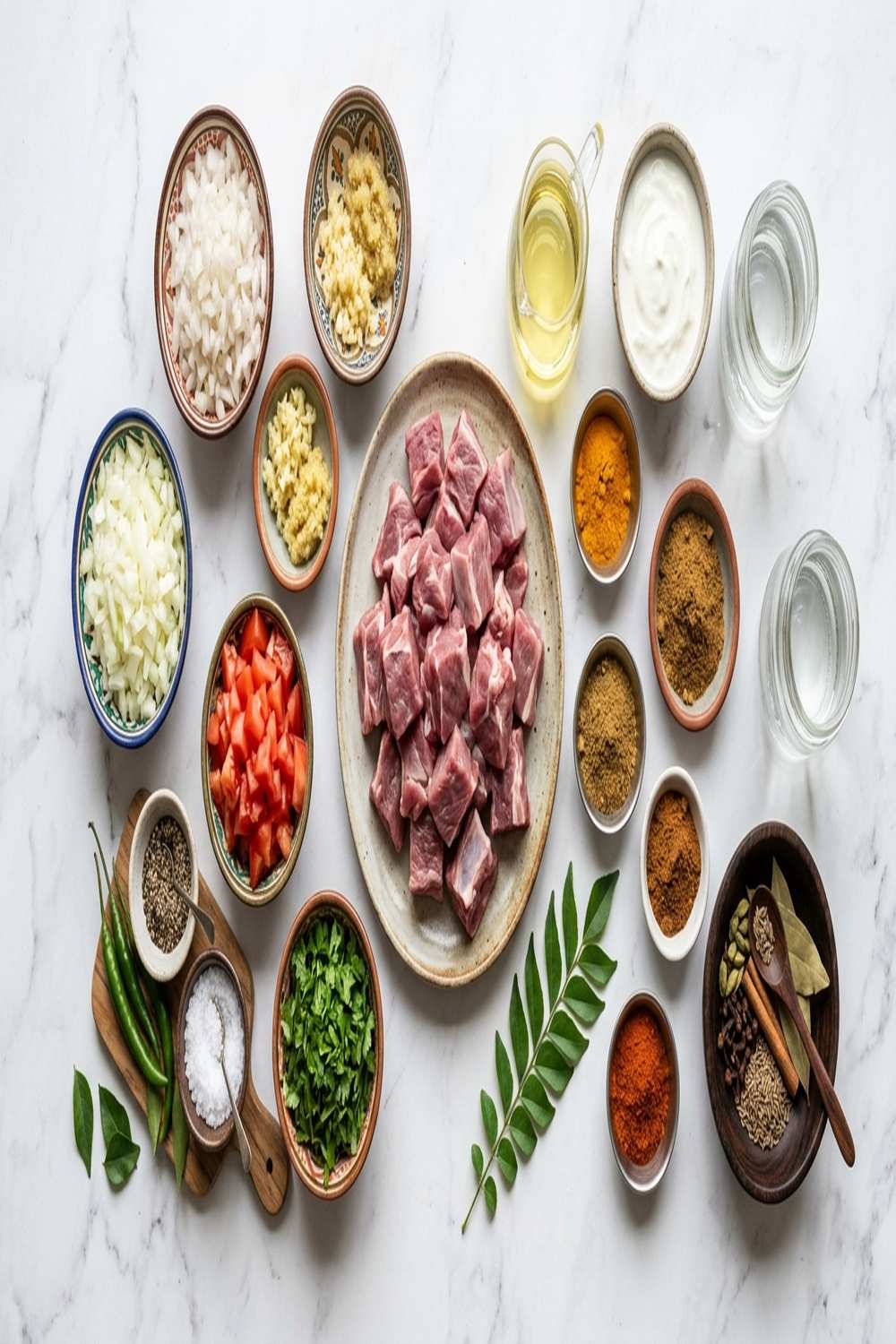
I’ve deliberately chosen ingredients that work together to create tenderness, depth, and that restaurant-quality finish you’re craving. Each one serves a specific purpose—nothing here is just “traditional” for tradition’s sake. The yogurt is your secret weapon for tenderizing, the ginger-garlic paste creates the aromatic backbone, and the specific spices I’ve selected balance heat, earthiness, and warmth in a way that feels complete rather than one-note.
- 2 to 3 teaspoons Kashmiri red chilli powder (adjust based on heat preference—this gives color without overwhelming spice)
- 2 tablespoons ginger-garlic paste (freshly minced if you prefer, divided equally)
- 1 to 2 fresh green chillies (slit lengthwise, seeds removed for less heat)
- ¼ cup fresh cilantro leaves (finely chopped for garnish, adds brightness)
- ¼ cup plain yogurt (full-fat Greek yogurt works even better for coating and marinating)
- 1½ cups fresh tomatoes (chopped, or use 1 cup tomato passata for smoother sauce)
- 2 teaspoons sea salt (divided, add more to taste at the end)
- ¾ to 1 teaspoon cumin powder (earthy undertone that anchors the whole dish)
- 6 green cardamom pods (crack them slightly to release their oils before adding)
- ½ tablespoon dried fenugreek leaves (optional but adds authentic depth—add in last 2 minutes)
- 1 tablespoon coriander powder (brightness and digestive aid)
- 4 to 5 cups hot water (adjust for your preferred sauce consistency)
- 1 to 2 black cardamom pods (optional, adds smoky note)
- 1 bay leaf (traditional aromatics that add subtle depth)
- 6 tablespoons neutral oil or ghee (divided—3 tablespoons for blooming spices, 3 for cooking meat and aromatics)
- 2 cups yellow onions (finely chopped, about 2 medium onions—this is your flavor base)
- 2.2 pounds lamb shoulder or leg cut (bone-in preferred, cut into 1½-inch pieces for even cooking)
- 1 to 2 star anise (optional but highly recommended—adds subtle licorice complexity)
- 2 tablespoons water (for initial yogurt marinade)
- 4 tablespoons fresh mint leaves (finely chopped, adds freshness and aids digestion)
- 3-inch piece cinnamon stick (sweet warmth that balances the heat)
- 2 to 3 teaspoons garam masala (or meat masala, this is your warming spice blend)
- ½ teaspoon turmeric (this is your anti-inflammatory powerhouse)
Step-by-Step: How to Make Easy Lamb Curry Without Fail
I’ve taught this method to dozens of home cooks, and the confidence comes once you understand the why behind each step. You’re not just following directions—you’re building flavor architecture. Let’s do this together.
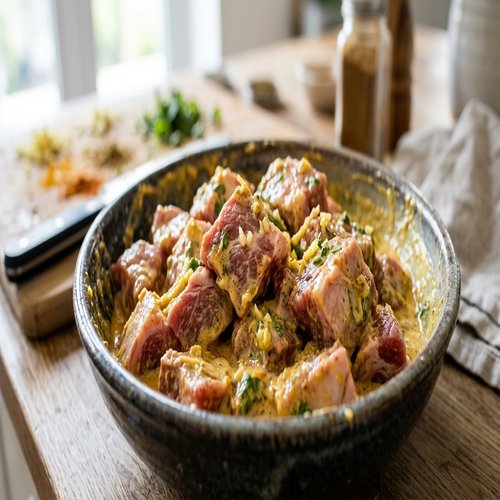
Step 1: Marinate Your Lamb for Tender, Flavorful Meat
In a medium bowl, combine your ¼ cup yogurt with 2 tablespoons water and half of your ginger-garlic paste (about 1 tablespoon). Add 1 teaspoon salt and ½ teaspoon of the Kashmiri chilli powder to this marinade. Add your lamb pieces and coat thoroughly, making sure every piece touches the yogurt mixture. This step takes just 3-4 minutes, but it’s doing something important—the yogurt’s lactic acid is beginning to break down the muscle fibers, making them tender, while the ginger-garlic infuses the meat from the inside. Set this aside while you prep everything else. The beauty of this approach is that even 10-15 minutes of marinating makes a difference; you’re not waiting hours.
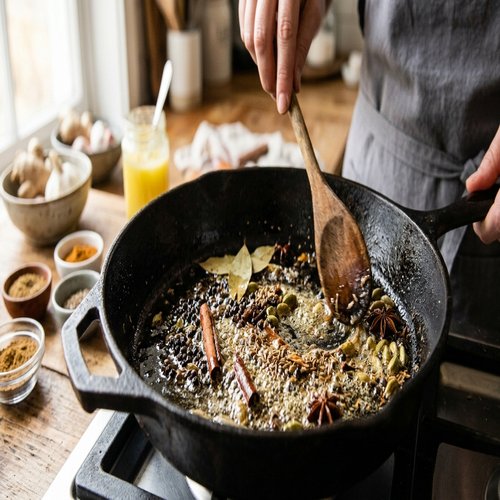
Step 2: Bloom Your Spices in Fat—This Changes Everything
Heat 3 tablespoons of your oil or ghee in a large, heavy-bottomed pot or deep skillet over medium heat. Once it’s shimmering (about 1 minute), add your bay leaf, cracked green cardamom, cinnamon stick, and black cardamom if using, plus the star anise. Let these whole spices toast in the hot fat for 45 seconds to 1 minute—you’ll smell them wake up. This is the step that separates restaurant-quality from flat-tasting. The dry spices are releasing their essential oils into the fat, which acts like a delivery system for flavor. Don’t skip it or rush it.
Step 3: Add Your Aromatics (Onions and Remaining Garlic-Ginger)
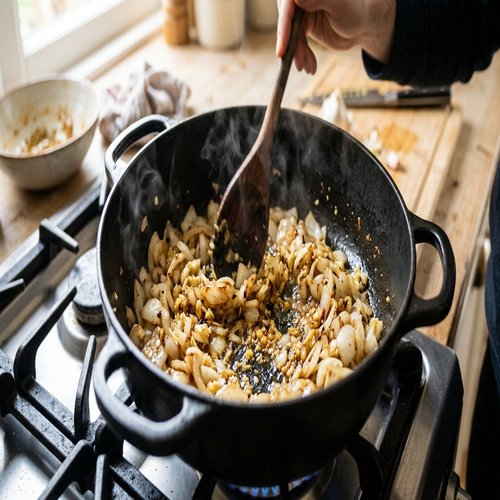
Once those spices are fragrant, add your finely chopped onions and the remaining ginger-garlic paste. Stir constantly for 4-5 minutes until the onions become golden and soft. You’re looking for them to release their natural sugars and become almost translucent at the edges. This creates a deeply flavorful base layer. The onions should smell sweet, not sharp—that’s how you know they’ve properly caramelized on the edges.
Step 4: Add Your Ground Spices and Tomatoes
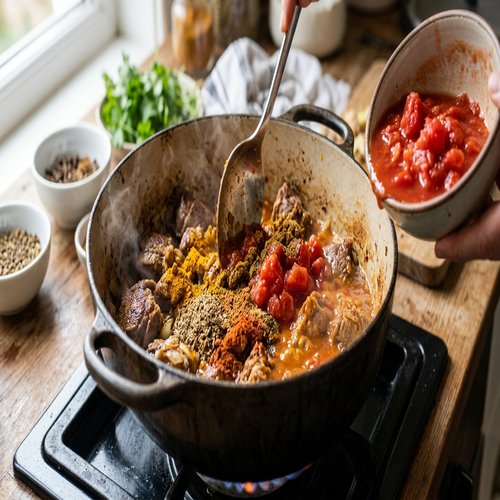
Now add your cumin powder, coriander powder, turmeric, and remaining Kashmiri chilli powder—all the ground spices. Stir constantly for 30-45 seconds; this blooms them in the oil and prevents raw spice taste. Then immediately add your chopped tomatoes (or passata). The tomato juices protect the spices from burning while they continue developing. Stir well and cook for 2-3 minutes until the tomato-spice mixture darkens slightly and becomes almost paste-like. This is your curry base—everything that comes next builds on this foundation.
Step 5: Add the Marinated Lamb and Sear Briefly
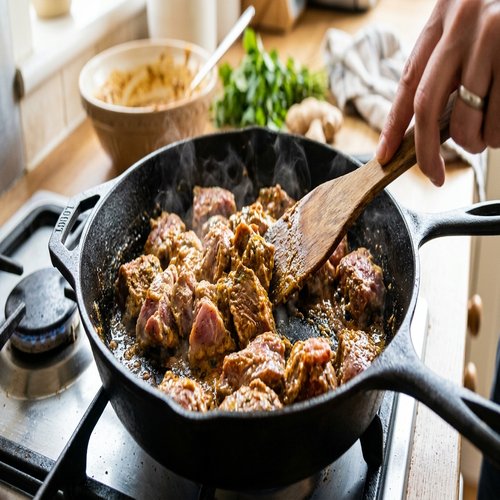
Increase your heat to medium-high and add the marinated lamb pieces to the spice-tomato mixture. Stir constantly for 3-4 minutes, allowing the meat to lose some of its raw appearance on the outside. You’re not trying to fully cook it—just break the surface and let the spices coat every piece. This brief searing helps the meat stay tender rather than becoming tough from extended stirring later.
Step 6: Add Water and Simmer Until Tender
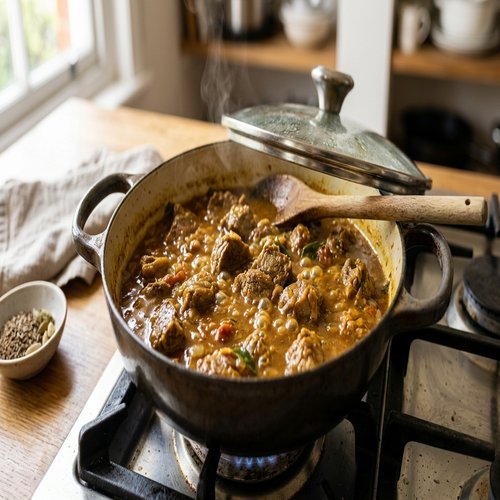
Pour in your 4 to 5 cups of hot water (use the higher amount if you like a saucier curry). Add your fresh green chillies and remaining salt. Bring the entire mixture to a boil, then immediately reduce to medium heat and simmer gently. This is crucial—aggressive boiling toughens the meat. You want small bubbles breaking the surface, not a rolling boil. Cover the pot partially and cook for 20-25 minutes, depending on your lamb size and whether it’s bone-in or boneless. Stir occasionally but not constantly.
Step 7: Check for Doneness and Add Final Touches
After 20 minutes, pierce a piece of lamb with a fork—it should break apart easily without resistance. The sauce should have reduced and darkened slightly, coating the meat rather than swimming in broth. In the final 2 minutes, add your garam masala (if you haven’t already), the dried fenugreek leaves, and fresh mint. Taste and adjust salt as needed. The whole curry should smell complex and balanced—warm, savory, with subtle sweetness from the cinnamon and star anise underneath.
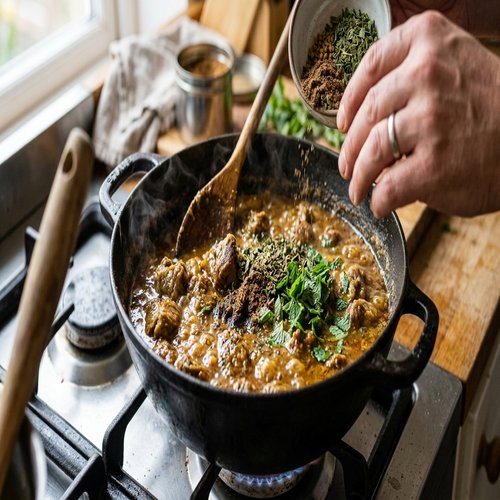
Step 8: Finish and Serve
Remove from heat and let the curry rest for 3-4 minutes before serving. This allows the flavors to set and the sauce to coat the meat more evenly. Garnish generously with fresh cilantro. The total cooking time from start to finish is approximately 30 minutes—perfect for a weeknight that feels special.

Expert’s Nutritional Tip
As a registered dietitian, I’m deeply invested in not just how food tastes, but how your body uses it. Here’s what excites me about this curry: the combination of turmeric, cumin, and coriander isn’t just flavor—it’s anti-inflammatory medicine. Turmeric contains curcumin, which research shows improves absorption when combined with black pepper (which is in garam masala). The lamb itself provides bioavailable iron and B12, nutrients many people struggle to get from plant sources alone. When you combine these in the traditional spice-forward way, you’re creating a meal that genuinely supports your health while nourishing your soul. This is food as medicine in the most delicious way.
Make-Ahead Guide: Meal Prep Like a Pro
Prep the night before: Combine your yogurt marinade in a bowl, add the lamb, cover, and refrigerate. Chop all your aromatics and store in separate containers. This means dinner literally takes 30 minutes of hands-on time the next evening.
Double batch strategy: Make two full pots when you’re already cooking. Freeze half in airtight containers for up to 3 months. The flavors actually deepen slightly after a day or two, so this curry is one of those rare dishes that improves with time.
Component prepping: Grind your whole spices fresh if possible—green cardamom, cinnamon, and star anise release their oils when freshly crushed, dramatically improving flavor. You can do this in the morning and store in a small container.
The Most Common Mistakes (And How to Avoid Them)
- Cooking at too high heat throughout – this toughens the meat and burns the spices. Sear briefly at medium-high to create a crust, then reduce to medium for the simmer. Gentle heat is your friend here.
- Skipping the spice-blooming step or doing it too quickly – raw spice taste ruins everything. Spend 45 seconds letting those whole spices toast, then 30-45 seconds on ground spices. This takes less than 2 minutes total and transforms the entire curry.
- Not adjusting salt until the end – salt added early can toughen the meat. Add most of it with the water, then taste and adjust in the final minutes. This is especially important with marinated meats.
- Using boneless meat and expecting the same results – boneless cooks faster (15-18 minutes instead of 22-25) and creates a thinner sauce. If using boneless, reduce water slightly and check for doneness earlier.
How Do I Know When It’s Done?
This is where instinct replaces a timer. The meat should break apart easily when pressed with a fork—not mushy, but tender enough to yield. The sauce should have reduced by about 30-40%, becoming thicker and darker, clinging to the meat rather than swimming around it. Visually, the oil should be starting to separate slightly from the sauce, which indicates proper emulsification. Most importantly, taste the sauce—it should be deeply savory with warm spice notes, not sharp or one-dimensional. If it tastes flat, simmer another few minutes. If it tastes acidic, let it simmer uncovered to reduce the tomato acidity. The whole curry should smell inviting and complex, with none of the raw spice smell you might have noticed at the beginning.
Troubleshooting: When Things Go Wrong
- Sauce is too thin after 25 minutes of cooking – the lamb is done but the sauce needs more concentration. Remove the lid and simmer on medium-high for 3-5 additional minutes, stirring gently. The sauce will thicken as water evaporates. Don’t skip this—a proper sauce is essential to the finished dish.
- Meat is still tough after 25 minutes – this usually means your heat was too high (toughening the exterior) or your pieces are larger than 1½ inches. Give it another 5 minutes of gentle simmering. If using boneless, it should be done by now, so tough meat suggests size or heat issues rather than cooking time.
- Spices taste bitter or burnt – you likely cooked them too long or at heat that was too high. This happened to me early on! If you catch it before adding the meat, start over with a fresh pot of oil and spices. If it’s already in the curry, unfortunately you’ll need to start fresh. Use medium heat and remove from direct heat immediately after blooming—residual heat will continue cooking them.
- Sauce looks curdled or separated – this is usually fine and happens with yogurt-based curries. A quick stir usually brings it back together. If it looks seriously separated, whisk in 2-3 tablespoons of water while stirring constantly.
Can I Store Easy Lamb Curry Recipe?
Refrigerator: Up to 4 days in an airtight container. The flavors actually deepen after a day, making this a perfect meal prep dish. Reheat gently on the stovetop over medium heat, adding a splash of water if the sauce has reduced too much.
Freezer: Up to 3 months in airtight containers or freezer bags. Freeze in portions so you can thaw exactly what you need. Let thaw overnight in the refrigerator before reheating. The meat stays tender and the spices remain vibrant—I’ve genuinely found frozen curry tastes as good as fresh.
Pro tip: Freeze the curry before adding the fresh cilantro and mint garnish. Add these after reheating for maximum freshness and brightness.
Nutrition Information
Based on USDA data, a single serving (about 1½ cups with meat and sauce) contains approximately 385 calories, 28g protein, 22g fat, and 12g carbohydrates. The protein is particularly bioavailable—your body absorbs it efficiently due to the cooking method and spices used. The lamb provides heme iron (the most absorbable form), zinc, and B vitamins, all essential for energy and immune function. The turmeric and other spices contribute compounds like curcumin and essential oils with documented anti-inflammatory benefits. Most impressive? The fiber comes from the spices themselves—a serving delivers meaningful amounts of antioxidant compounds. This is genuinely nourishing food, not just delicious food.
What Can I Serve With Easy Lamb Curry Recipe?
This curry is endlessly versatile, and I love pairing it with foods that add nutrition and contrast texture. The richness of the lamb curry needs something bright and fresh to balance it perfectly.
- Basmati rice (white or brown) – the traditional choice for good reason; the mild, slightly floral flavor doesn’t compete with the curry spices
- Naan bread – perfect for scooping and soaking up the sauce; you can even make no-rise naan in a skillet while the curry cooks
- Lemon Broccolini Recipe – the brightness of lemon and earthiness of broccolini create a stunning contrast to rich lamb curry
- Cucumber raita – cooling yogurt-based condiment that balances heat and adds refreshing contrast
- Butternut Squash Spinach Recipe – the natural sweetness and earthiness pair beautifully with spiced lamb
- Simple green salad with lemon dressing – cuts through the richness and aids digestion
- Cauliflower rice – lighter option that still absorbs sauce beautifully

Easy Lamb Curry Recipe
Ingredients
Method
- In a medium bowl, combine your ¼ cup yogurt with 2 tablespoons water and half of your ginger-garlic paste (about 1 tablespoon). Add 1 teaspoon salt and ½ teaspoon of the Kashmiri chilli powder to this marinade. Add your lamb pieces and coat thoroughly, making sure every piece touches the yogurt mixture. This step takes just 3-4 minutes, but it's doing something important—the yogurt's lactic acid is beginning to break down the muscle fibers, making them tender, while the ginger-garlic infuses the meat from the inside. Set this aside while you prep everything else. The beauty of this approach is that even 10-15 minutes of marinating makes a difference; you're not waiting hours.
- Heat 3 tablespoons of your oil or ghee in a large, heavy-bottomed pot or deep skillet over medium heat. Once it's shimmering (about 1 minute), add your bay leaf, cracked green cardamom, cinnamon stick, and black cardamom if using, plus the star anise. Let these whole spices toast in the hot fat for 45 seconds to 1 minute—you'll smell them wake up. This is the step that separates restaurant-quality from flat-tasting. The dry spices are releasing their essential oils into the fat, which acts like a delivery system for flavor. Don't skip it or rush it.
- Once those spices are fragrant, add your finely chopped onions and the remaining ginger-garlic paste. Stir constantly for 4-5 minutes until the onions become golden and soft. You're looking for them to release their natural sugars and become almost translucent at the edges. This creates a deeply flavorful base layer. The onions should smell sweet, not sharp—that's how you know they've properly caramelized on the edges.
- Now add your cumin powder, coriander powder, turmeric, and remaining Kashmiri chilli powder—all the ground spices. Stir constantly for 30-45 seconds; this blooms them in the oil and prevents raw spice taste. Then immediately add your chopped tomatoes (or passata). The tomato juices protect the spices from burning while they continue developing. Stir well and cook for 2-3 minutes until the tomato-spice mixture darkens slightly and becomes almost paste-like. This is your curry base—everything that comes next builds on this foundation.
- Increase your heat to medium-high and add the marinated lamb pieces to the spice-tomato mixture. Stir constantly for 3-4 minutes, allowing the meat to lose some of its raw appearance on the outside. You're not trying to fully cook it—just break the surface and let the spices coat every piece. This brief searing helps the meat stay tender rather than becoming tough from extended stirring later.
- Pour in your 4 to 5 cups of hot water (use the higher amount if you like a saucier curry). Add your fresh green chillies and remaining salt. Bring the entire mixture to a boil, then immediately reduce to medium heat and simmer gently. This is crucial—aggressive boiling toughens the meat. You want small bubbles breaking the surface, not a rolling boil. Cover the pot partially and cook for 20-25 minutes, depending on your lamb size and whether it's bone-in or boneless. Stir occasionally but not constantly.
- After 20 minutes, pierce a piece of lamb with a fork—it should break apart easily without resistance. The sauce should have reduced and darkened slightly, coating the meat rather than swimming in broth. In the final 2 minutes, add your garam masala (if you haven't already), the dried fenugreek leaves, and fresh mint. Taste and adjust salt as needed. The whole curry should smell complex and balanced—warm, savory, with subtle sweetness from the cinnamon and star anise underneath.
- Remove from heat and let the curry rest for 3-4 minutes before serving. This allows the flavors to set and the sauce to coat the meat more evenly. Garnish generously with fresh cilantro. The total cooking time from start to finish is approximately 30 minutes—perfect for a weeknight that feels special.
Notes
FAQs
Can I make this with chicken instead of lamb?
Absolutely! Use 2.2 pounds of bone-in chicken thighs (much better than breast for this), cut into similar-sized pieces. The cooking time reduces to 15-18 minutes—check at 15 minutes since chicken cooks faster than lamb. Everything else stays exactly the same. The yogurt marinade works beautifully on chicken too, ensuring tender results. I often make this with chicken on weeknights when I want the same flavors but a quicker dinner.
What if I don’t have garam masala?
Garam masala is the warm spice blend that makes this curry taste complete. If you don’t have it, you can approximate by combining 1 teaspoon cumin powder, ½ teaspoon coriander powder, ¼ teaspoon cinnamon, ¼ teaspoon black pepper, and a pinch of clove or nutmeg. It won’t be identical, but it gives you the warm undertones. Ideally, pick up a small container of garam masala—it’s inexpensive and transforms curries, roasted vegetables, and even soups.
My curry tastes too spicy—how do I fix it?
Start by reducing the Kashmiri chilli powder to 1-1.5 teaspoons next time. If you’ve already made it and it’s too hot, try adding a dollop of yogurt (full-fat works best) or a splash of cream, which coats your mouth and reduces the perceived heat. You can also serve it with cooling raita on the side, letting each person control their heat level. Some heat is traditional, but this should be enjoyable, not punishing.
Can I make this in a slow cooker?
Yes, with modifications! Complete Steps 1-4 on the stovetop (the spice blooming is non-negotiable), then transfer everything to a slow cooker with 4 cups of water. Cook on low for 6-8 hours or high for 3-4 hours. The long, gentle cooking creates incredibly tender meat, though you’ll lose some of the fresh brightness, so add extra cilantro and mint at the end. Personally, I prefer the stovetop method because you stay connected to the cooking process and can adjust seasonings as you go.
Is this recipe good for meal prep?
This is one of my most-meal-prepped recipes! Make a double batch on Sunday, portion into containers, and you have 4-6 dinners ready. The flavor actually improves after 24 hours as spices continue developing. Reheat gently on the stovetop with a splash of water, add fresh cilantro, and serve over rice or with naan. It freezes beautifully for up to 3 months. As a dietitian, I love that this provides complete protein plus spices with real health benefits—it’s nourishing meal prep, not just convenient meal prep.
Seasonal Variations
Spring: Add fresh peas or fava beans in the last 3 minutes of cooking. The sweetness echoes the warming spices beautifully, and you get fresh vegetables.
Summer: Use fresh mint leaves instead of dried, and increase cilantro generously. Serve over cauliflower rice for a lighter, fresher-feeling meal that still feels indulgent.
Fall: Add a splash of coconut milk in the last 2 minutes and increase cinnamon slightly. This creates a deeper, richer sauce perfect for cooler weather.
Winter: Use dried fenugreek leaves and warm spices like extra cardamom. This version tastes like comfort, perfect for slow, cozy evenings.
More Recipes You’ll Love
- Cauliflower Korma Recipe – creamy, aromatic, and equally impressive when you’re short on time
- Boneless Chicken Breast Recipe – lean protein option using similar spice techniques
- Brie And Bacon Recipe – when you want rich, indulgent flavors but prefer something non-traditional
You now have everything you need to make restaurant-quality lamb curry at home in 30 minutes. What started as watching my grandmother transform simple ingredients has become my mission—showing people that nourishing, delicious food doesn’t require hours or fancy equipment. It requires understanding the techniques, respecting the spices, and cooking with intention. Your lamb curry is going to be beautiful, deeply flavorful, and absolutely tender. Most importantly, it’s going to make you feel like the home cook you’ve always wanted to be. I hope you find joy in every recipe!