
Cucumber Feta Salad Recipe
 By
By This post contains affiliate links. As an Amazon Associate I earn from qualifying purchases.
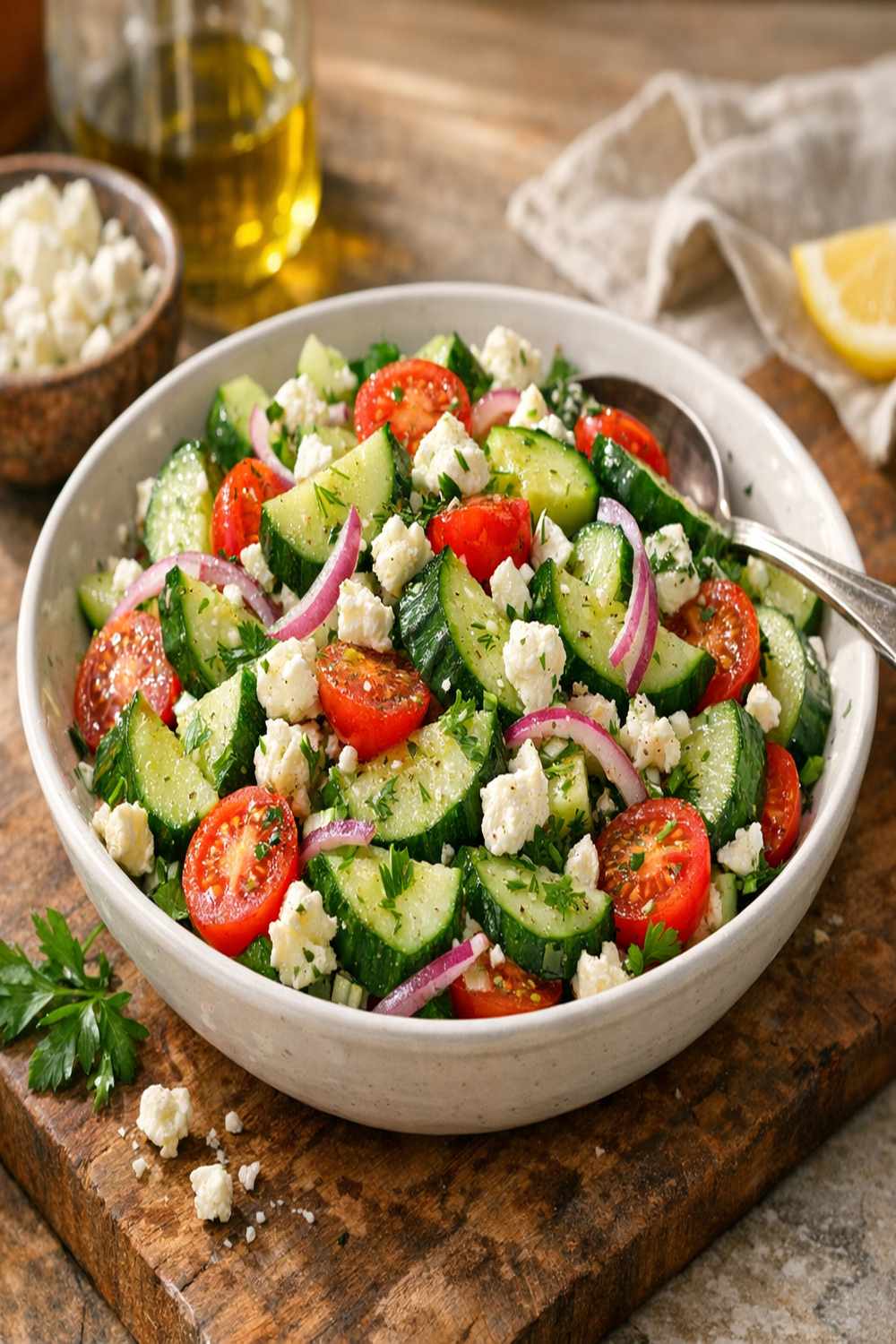
I grew up watching my mother and grandmother prepare simple salads in our kitchen, and I realized early on that the most nourishing meals don’t need to be complicated. This Cucumber Feta Salad Recipe brings together Mediterranean vegetable traditions and classic Greek flavor profiles in a way that honors both culinary worlds while creating something entirely new and energizing. Whether you’re serving this as a side dish or a light lunch, this recipe celebrates how fresh ingredients and time-honored techniques can come together in under 30 minutes. I’m thrilled to share this one with you!
Cucumber Feta Salad Recipe: Where Mediterranean Freshness Meets Greek Tradition
The story of this salad actually began during a nutrition consultation I had years ago with a client who grew up in Greece and spent summers in Southern Italy. She described how her family would prepare different versions of cucumber salads depending on the season and which country they were visiting. One version celebrated the bright acidity of vinegar and herbs, while another leaned into the cooling, hydrating nature of fresh cucumbers paired with tangy cheese.
That conversation stayed with me, and I started experimenting in my own kitchen, blending these two Mediterranean approaches. What I discovered is that when you respect both traditions—honoring the Greek love of feta and oregano alongside the Mediterranean emphasis on olive oil and fresh vegetables—you create something that feels both familiar and exciting. This salad has become a staple in my home, and I make it constantly during warm months when my farmers market is overflowing with gorgeous produce.
The Two Traditions Behind This Dish
The Mediterranean region and Greek cuisine have given us some of the world’s most beloved and healthful eating patterns. Each brings something essential to this simple salad, and understanding where each element comes from helps you appreciate why this combination works so beautifully on your palate and in your body.
- Mediterranean tradition – emphasizes high-quality olive oil, fresh vegetables, herbs, and the importance of eating seasonally. This approach teaches us that simplicity and quality ingredients are the foundation of nourishing food.
- Greek tradition – celebrates the role of salty, tangy feta cheese, bold oregano, red wine vinegar, and the technique of building flavor through acidic elements. Greek cuisine understands that these components create satisfaction and help your body absorb fat-soluble nutrients.
Why This Fusion Works
From a nutritional science perspective, this combination is genuinely clever. The Mediterranean approach gives us hydrating vegetables packed with vitamins and minerals, while the Greek tradition provides fat (from both olive oil and feta) and salt, which together help your body absorb those fat-soluble vitamins like A, D, E, and K. The acid from vinegar actually enhances mineral absorption and supports stable blood sugar. When you combine fresh cucumber’s cooling hydration with feta’s creamy richness, you create a dish that satisfies your hunger while nourishing your body at a cellular level.
Flavor-wise, the brightness of fresh vegetables balances the saltiness of feta, while the herbs and garlic create depth. This is why Mediterranean and Greek cuisines have thrived for thousands of years—they intuitively understood flavor balance and nutritional completeness.
The Ingredients – A Tale of Two Traditions
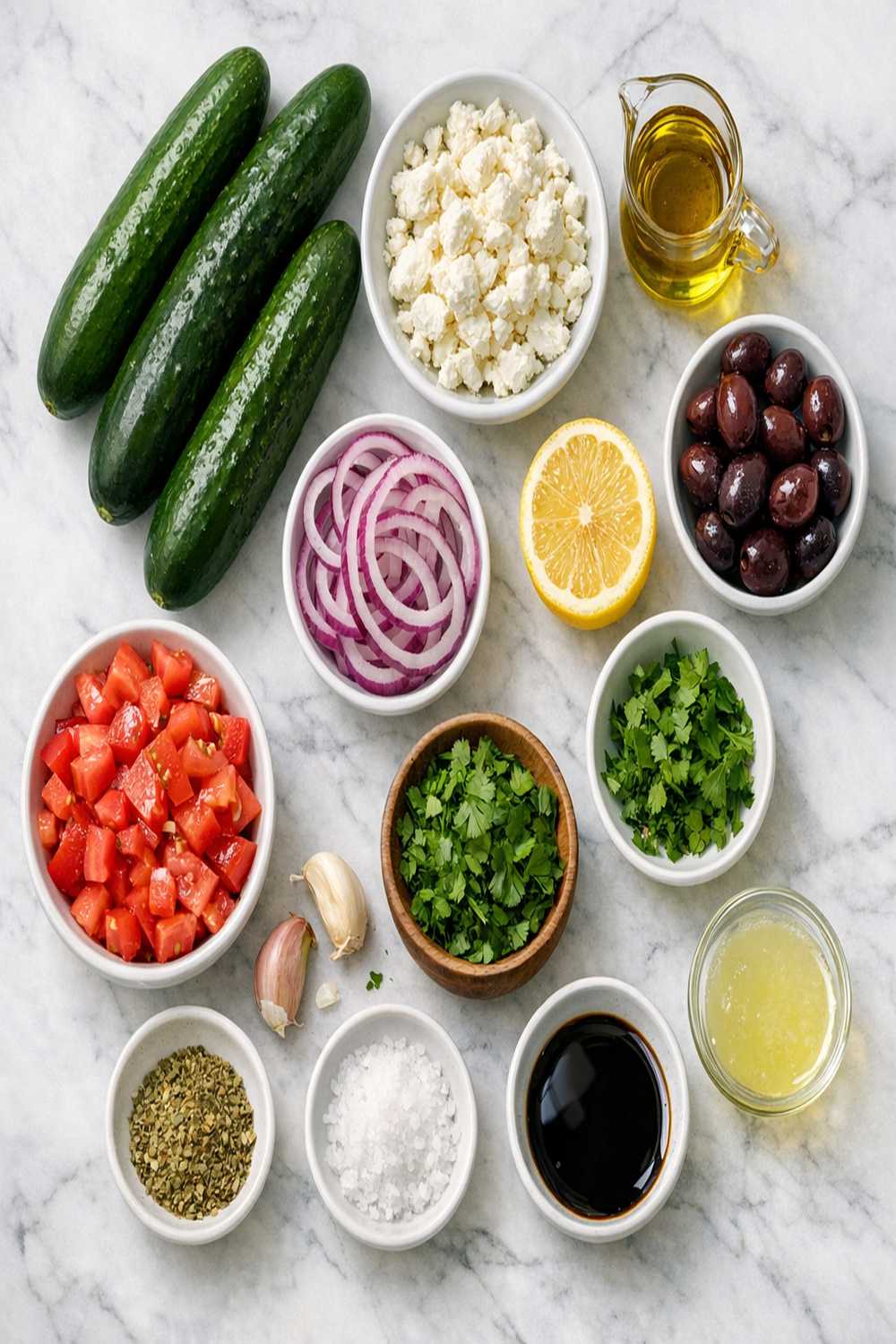
Each ingredient in this salad tells a story of where it comes from and what culinary tradition it honors. I’ve chosen every element intentionally, and I encourage you to source the highest quality versions you can find. This is one of those recipes where ingredient quality genuinely matters because there’s nowhere to hide!
- 1 teaspoon kosher salt (to balance and enhance all flavors)
- 8 ounces authentic feta cheese, cut into cubes (the Greek tradition’s protein and probiotic powerhouse)
- 2 cloves garlic, minced very fine (an antimicrobial powerhouse from both traditions)
- ¼ cup extra-virgin olive oil, cold-pressed (the Mediterranean foundation, rich in heart-healthy monounsaturated fats and polyphenols)
- ½ teaspoon freshly cracked black pepper (the finishing touch that rounds out the palate)
- 2 tablespoons red wine vinegar (the Greek tradition’s acidity enhancer that supports nutrient absorption)
- 1 long English cucumber, diced into bite-sized pieces (this Mediterranean staple is over 95% water and provides electrolytes, fiber, and vitamin K)
- ¼ cup fresh flat-leaf parsley, finely chopped (the Mediterranean herb that aids digestion and provides chlorophyll)
- 2 pints fresh cherry or grape tomatoes, halved (the Mediterranean garden essential, packed with lycopene and natural sweetness)
- 1 teaspoon dried oregano, preferably Greek (the flavor backbone that brings both traditions together)
- 1 teaspoon red pepper flakes, optional (for those who love a little heat and Mediterranean spice)
- 2 tablespoons fresh lemon juice (additional brightness that makes this your own signature version)
How to Make This Fusion Cucumber Feta Salad Recipe
I love approaching this recipe as a respectful creative journey through two culinary traditions. Each step honors the techniques that Mediterranean and Greek cooks have refined over centuries, while you’re making it entirely your own. This is a 25-minute recipe from start to table, which means you can have a restaurant-quality lunch ready in the time it takes most people to scroll through their phones!
Step 1: Prepare Your Fresh Vegetables With Care
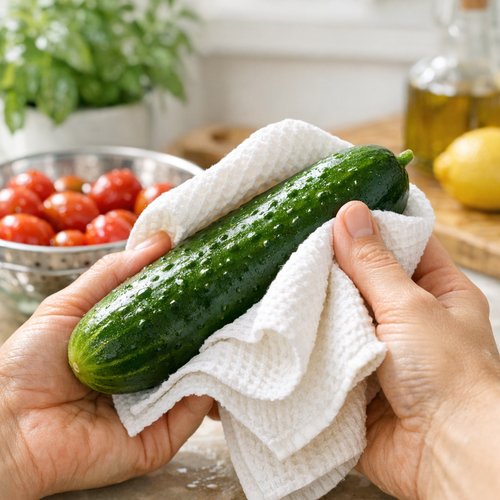
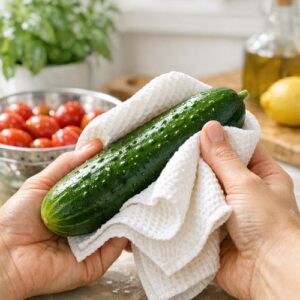
Start by giving your cucumber and tomatoes a gentle rinse under cool water. Pat the cucumber completely dry—this is important because excess moisture will dilute your dressing. Using a sharp knife, dice your English cucumber into bite-sized chunks, roughly ¾ inch each. This is where the Mediterranean tradition of respecting your raw ingredients comes in—we’re not overcooking or heavily processing, just preparing thoughtfully. Halve your cherry tomatoes lengthwise so they release their juices slightly and distribute evenly throughout the salad. Place both the cucumber and tomatoes in a large mixing bowl.
Step 2: Add the Greek Foundation of Feta and Herbs
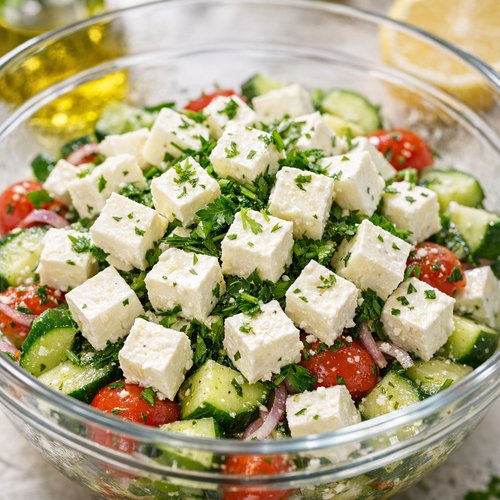
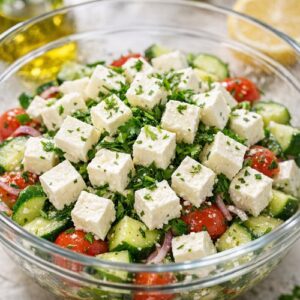
Cut your feta cheese into small cubes—I aim for roughly ½-inch pieces so they hold their shape but still absorb some of the dressing. Add the feta to your bowl with the vegetables. Now here’s where the Greek tradition truly shines: finely chop your fresh parsley and sprinkle it over everything. The Greeks understand that fresh herbs aren’t just garnish; they’re essential flavor and nutrition components. I use a lot of parsley here because it’s wonderfully hydrating and adds both color and subtle anise notes that brighten everything.
Step 3: Build Your Dressing With Both Traditions in Mind
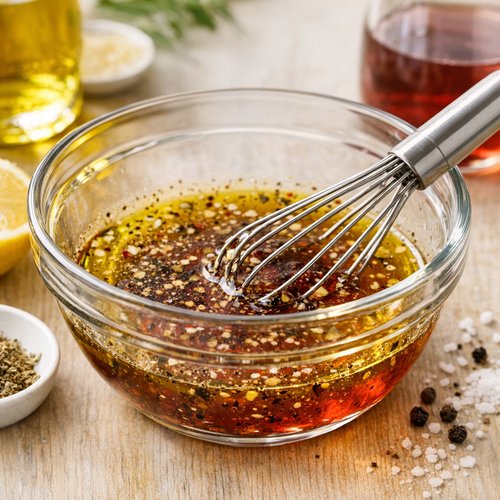
In a small bowl or measuring cup, combine your extra-virgin olive oil (the Mediterranean treasure) with red wine vinegar (the Greek acid backbone). This is the moment where both traditions truly merge. The ratio of oil to vinegar creates a balanced dressing that coats everything without overwhelming the delicate vegetables. Add your minced garlic, which should be minced very fine so it distributes evenly. This combined dressing honors the Mediterranean emphasis on quality oil with the Greek love of bright acidity and bold garlic flavor.
Step 4: Season With Intention and Balance
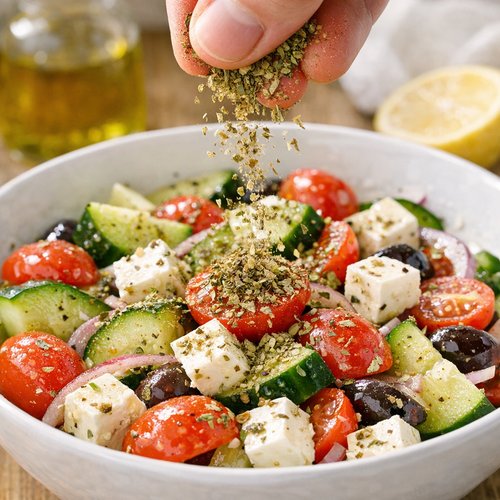
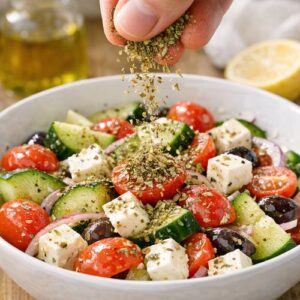
Sprinkle in your dried oregano—and please, use authentic Greek oregano if you can find it. The flavor is so much more vibrant than generic dried oregano. Add your kosher salt and freshly cracked black pepper. I also add fresh lemon juice here, which gives an extra layer of brightness that feels authentically Mediterranean. If you love heat, this is where optional red pepper flakes come in, adding a gentle warmth that complements both traditions. Whisk everything together until well combined.
Step 5: Bring Everything Together With a Gentle Toss
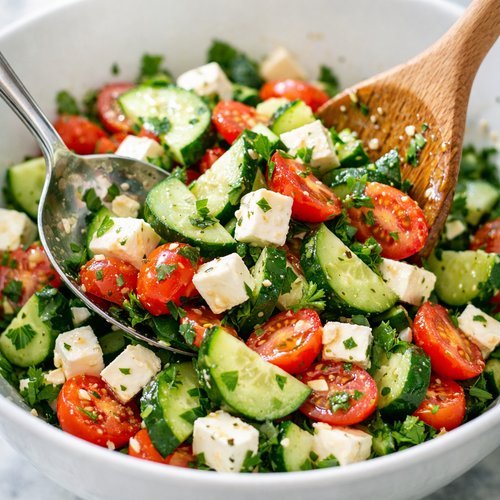
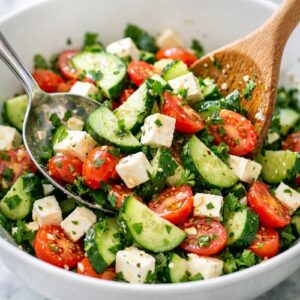
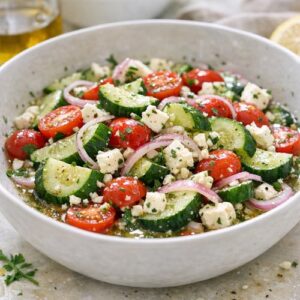
Pour your dressing over the cucumber, tomato, feta, and parsley mixture. Using a large spoon or spatula, gently toss everything together, being careful not to break apart the feta chunks too much. The goal is to distribute the dressing evenly while keeping the salad’s components distinct and beautiful. Every piece should be lightly coated with that gorgeous oil and vinegar mixture. Taste as you go—you might want a pinch more salt or a squeeze more lemon. Trust your palate; you know what you love.
Step 6: Let It Rest and Develop Flavor
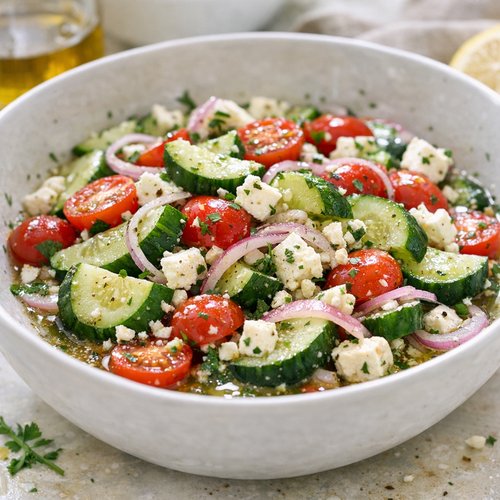
Let your salad sit for 5 to 10 minutes before serving. This resting period allows the vegetables to release their natural juices, which mixes with your dressing to create an even more flavorful final dish. This is a Mediterranean technique—we’re not rushing; we’re allowing time for flavors to develop and marry together. Serve immediately while everything is still crisp and cool, or cover and refrigerate until you’re ready to eat.
How to Customize the Fusion Ratio
One of my favorite things about this recipe is how easily you can lean into whichever tradition speaks to you on any given day. Depending on your mood, your garden, or what’s available at your farmers market, you can shift the balance and create a totally different experience.
- Lean More Mediterranean – increase your fresh herbs (try adding fresh basil, mint, or dill), use more lemon juice than vinegar, add sun-dried tomatoes or roasted red peppers, and focus on the quality of your olive oil. This version celebrates the garden-fresh, herb-forward approach of Mediterranean coastal cooking.
- Lean More Greek – increase your feta content, double the oregano, use more vinegar and less lemon juice, add Kalamata olives, and focus on bold, tangy flavors. You can also add a pinch more salt to emphasize the Greek love of brined and preserved flavors. This version celebrates the bold, salty, preserved-food tradition of Greek cuisine.
Other Great Mediterranean x Greek Combinations
Once you start thinking about how these two culinary traditions complement each other, you’ll see fusion opportunities everywhere in your kitchen. Here are some other dishes that beautifully merge Mediterranean and Greek approaches: a warm lentil salad with feta and fresh herbs, a roasted vegetable medley with oregano and olive oil, a simple pasta with fresh tomatoes and feta (similar in spirit to our Simple Bruschetta), and even grain bowls that layer quinoa with roasted vegetables, feta, and Greek-inspired dressings.
Expert’s Nutritional Tip: Why This Salad Is a Cellular Powerhouse
As a registered dietitian, I want you to understand what’s happening nutritionally when you eat this salad. Cucumbers provide silica, which supports collagen production and skin health. Tomatoes provide lycopene, a carotenoid that’s actually more bioavailable when cooked, but raw tomatoes still offer powerful antioxidants. The feta cheese provides casein protein and probiotics (depending on whether it’s made with live cultures). The real magic happens when you combine the fat from olive oil and feta with these fat-soluble vitamins—the fat acts as a transport vehicle, helping your body absorb vitamins A, K, and E from the vegetables. This is why traditional Mediterranean and Greek cuisines always pair vegetables with fat. They knew intuitively what science now confirms: you need fat to absorb nutrients from plants.
Common Mistakes to Avoid
I’ve made this salad hundreds of times, and I’ve learned what works and what doesn’t. Here are the most common mistakes I see people make, and how to avoid them:
- Using wet vegetables – If your cucumber or tomatoes aren’t properly dried, they’ll water down your dressing and make the salad watery by serving time. Always pat everything completely dry with paper towels before adding to the bowl.
- Over-dressing – It’s tempting to add more dressing because it tastes so good, but resist! The vegetables will release their own liquid as they sit, which will dilute the dressing. Start with what the recipe calls for, and if you want more sauce, make an extra small batch and add it just before serving.
- Cutting feta too small – When feta is minced too finely, it absorbs too much dressing and becomes mushy. Keep those pieces ½ inch or larger so they stay distinct and creamy throughout.
- Using low-quality olive oil – Since this salad has so few ingredients, the olive oil quality matters tremendously. Invest in a good extra-virgin olive oil; you’ll taste the difference immediately.
Make-Ahead Guide: Meal Prep Like a Professional
As someone who works in clinical nutrition, I’m passionate about making healthy eating as convenient as possible. Here’s how to prep this salad strategically:
3 Days Ahead: Wash and store your vegetables separately in the crisper drawer. Keep them in breathable containers or paper towel-lined bags so they stay crisp.
1 Day Ahead: You can cube your cucumber and tomatoes and store them in separate containers in the refrigerator. However, don’t mix them together yet, and don’t add dressing. This prevents the vegetables from releasing too much liquid.
Morning Of: Cut your feta, chop your parsley, and prepare your dressing in a small jar. Store the dressing separately; you can shake it right before serving.
30 Minutes Before Eating: Combine everything and dress the salad. This timing ensures maximum crispness and flavor.
Seasonal Variations: How to Adapt This Recipe Year-Round
One of the beautiful things about Mediterranean and Greek cooking is its deep respect for seasonality. Here’s how to shift this salad with the seasons:
Spring: Add fresh spring onions, young dill, and peas. Use the first tender lettuces and fresh mint. Spring is all about renewal and delicate flavors.
Summer: This is the recipe as written—cucumber, tomato, and herb season. Add roasted red peppers if they’re in season, and increase your fresh herbs dramatically. Summer is abundance.
Fall: Add roasted beets, crumbled walnuts, and pomegranate seeds. Use radicchio or purple cabbage for color. Shift toward heartier herbs like thyme. Fall is about earthiness and richness.
Winter: Roast your vegetables (cauliflower, Brussels sprouts, root vegetables) and serve this as a warm salad. Use preserved lemon instead of fresh, and add pomegranate molasses to your dressing. Winter in Mediterranean regions celebrates preserved and cooked foods.
Can I Store Cucumber Feta Salad Recipe?
Yes, with some important caveats about maintaining quality and freshness. If you’ve already dressed the salad, it will keep in an airtight container in your refrigerator for up to 3 days, though it’s best enjoyed within the first 24 hours when vegetables are crispest. The longer it sits, the softer the cucumber becomes and the more the feta absorbs dressing, which changes the texture.
For longer storage, I recommend keeping your components separate: store undressed cucumber and tomatoes together in one container, feta in another, and dressing in a small jar or container. This way, you can assemble fresh salads for up to 5 days. Simply combine when you’re ready to eat, and you’ll have that just-made crispness and perfect texture. This is my professional recommendation for meal prep—the extra 2 minutes of assembly time is absolutely worth the superior eating experience.
Nutrition Information
Based on USDA nutrition data, one serving of this Cucumber Feta Salad (assuming the recipe makes 4 generous servings) contains approximately 220 calories, 18 grams of fat (mostly from heart-healthy monounsaturated fats in olive oil), 8 grams of protein (from the feta), and 5 grams of carbohydrates with about 1.5 grams of fiber. The sodium comes in at approximately 480 milligrams per serving, which is moderate when you consider the salad’s mineral density.
What I love about this nutritional profile is how it reflects both culinary traditions’ understanding of balanced eating. The Mediterranean approach provides generous plant-based carbohydrates and the Greek tradition provides protein and fat, creating a meal that stabilizes blood sugar and keeps you satisfied. This salad is naturally anti-inflammatory due to the polyphenols in olive oil and tomatoes, making it particularly nourishing if you’re managing any inflammatory conditions.
What to Serve With Cucumber Feta Salad Recipe?
This salad is wonderfully versatile as a side dish or light main course. I serve it alongside grilled proteins, roasted vegetables, and whole grains. It pairs beautifully with Air Fryer Grouper Recipe if you want to stay in the Mediterranean tradition, or alongside Apricot Salmon Recipe for a slightly different flavor journey.
- Grilled fish or seafood – The bright acidity of the salad cuts through rich fish perfectly and adds a refreshing contrast. This honors both Mediterranean coastal traditions.
- Roasted chicken – A simple roasted chicken thigh or breast becomes elevated when served alongside this fresh, herbaceous salad. The cool cucumber balances any richness from the protein.
- Warm legumes or grains – Serve this salad alongside warm chickpeas, white beans, lentils, or brown rice. The temperature contrast and flavor combination creates something really special.
- Fresh bread – A crusty sourdough or pita bread is perfect for soaking up the dressing at the bottom of the bowl. This is the Mediterranean way.
- Cheese board components – This salad complements a Cheese Board Recipe beautifully when you’re entertaining, adding fresh vegetables and acidity to balance rich cheeses.

Cucumber Feta Salad Recipe
Ingredients
Method
- Start by giving your cucumber and tomatoes a gentle rinse under cool water. Pat the cucumber completely dry—this is important because excess moisture will dilute your dressing. Using a sharp knife, dice your English cucumber into bite-sized chunks, roughly ¾ inch each. This is where the Mediterranean tradition of respecting your raw ingredients comes in—we're not overcooking or heavily processing, just preparing thoughtfully. Halve your cherry tomatoes lengthwise so they release their juices slightly and distribute evenly throughout the salad. Place both the cucumber and tomatoes in a large mixing bowl.
- Cut your feta cheese into small cubes—I aim for roughly ½-inch pieces so they hold their shape but still absorb some of the dressing. Add the feta to your bowl with the vegetables. Now here's where the Greek tradition truly shines: finely chop your fresh parsley and sprinkle it over everything. The Greeks understand that fresh herbs aren't just garnish; they're essential flavor and nutrition components. I use a lot of parsley here because it's wonderfully hydrating and adds both color and subtle anise notes that brighten everything.
- In a small bowl or measuring cup, combine your extra-virgin olive oil (the Mediterranean treasure) with red wine vinegar (the Greek acid backbone). This is the moment where both traditions truly merge. The ratio of oil to vinegar creates a balanced dressing that coats everything without overwhelming the delicate vegetables. Add your minced garlic, which should be minced very fine so it distributes evenly. This combined dressing honors the Mediterranean emphasis on quality oil with the Greek love of bright acidity and bold garlic flavor.

- Sprinkle in your dried oregano—and please, use authentic Greek oregano if you can find it. The flavor is so much more vibrant than generic dried oregano. Add your kosher salt and freshly cracked black pepper. I also add fresh lemon juice here, which gives an extra layer of brightness that feels authentically Mediterranean. If you love heat, this is where optional red pepper flakes come in, adding a gentle warmth that complements both traditions. Whisk everything together until well combined.
- Pour your dressing over the cucumber, tomato, feta, and parsley mixture. Using a large spoon or spatula, gently toss everything together, being careful not to break apart the feta chunks too much. The goal is to distribute the dressing evenly while keeping the salad's components distinct and beautiful. Every piece should be lightly coated with that gorgeous oil and vinegar mixture. Taste as you go—you might want a pinch more salt or a squeeze more lemon. Trust your palate; you know what you love.
- Let your salad sit for 5 to 10 minutes before serving. This resting period allows the vegetables to release their natural juices, which mixes with your dressing to create an even more flavorful final dish. This is a Mediterranean technique—we're not rushing; we're allowing time for flavors to develop and marry together. Serve immediately while everything is still crisp and cool, or cover and refrigerate until you're ready to eat.
Notes
FAQs
Can I use regular feta if I can’t find authentic Greek feta?
Absolutely! While Greek feta has a distinctive tang and creaminess due to the sheep’s milk traditionally used, any quality feta cheese will work. Look for feta that comes packed in brine rather than oil, as it tends to have better texture and flavor. Avoid pre-crumbled feta if possible—fresh blocks of feta that you cube yourself will hold up much better in this salad. The fusion works with whatever quality cheese you can access.
What if I want to make this warm instead of cold?
You can absolutely create a warm version! Roast your cucumber (yes, really—it becomes mild and slightly sweet), roast your tomatoes, and warm your dressing gently on the stovetop. Toss everything together while warm so the feta gets slightly melty at the edges. The technique shifts from Mediterranean raw preparation to Greek cooked tradition, and it’s delicious. Think of it as honoring both approaches simultaneously.
Can I add other vegetables to this salad?
Totally! This is where you can really customize based on what’s available. Red onion adds sharpness, bell peppers add sweetness and crunch, radishes add peppery bite, and roasted vegetables add heartiness. The dressing will work with any vegetables you choose. Just remember that raw vegetables have more water content, so you might not need as much dressing, and softer vegetables (like cooked zucchini) will soak it up more readily.
Is this salad good for meal prep throughout the week?
Yes, with the strategy I outlined in the Make-Ahead Guide section. Keep components separate and assemble 30 minutes before eating for best results. If you absolutely must dress it ahead, do so no more than 4 hours before eating, and store it in the coldest part of your refrigerator. The vegetables will soften slightly, but it will still taste delicious—just different from freshly assembled.
What’s the best way to store extra dressing?
Make extra dressing in a mason jar and shake it well before each use. It will keep refrigerated for up to 2 weeks. The flavors actually deepen over time, so day-three dressing might taste even better than day-one! You can use this dressing on other salads, drizzle it over roasted vegetables, or use it as a marinade for fish or chicken. Once you taste how easy it is to make, you’ll want to keep it on hand constantly.
More Fusion Recipes You’ll Love
- Cauliflower Korma Recipe – A fusion of Indian spices with Mediterranean vegetables that celebrates plant-based cooking from multiple culinary traditions
- Basic Lamb Curry Recipe – While not Mediterranean, this demonstrates how to honor traditional techniques while making them accessible for home cooks
- Air Fryer Chicken Breast Recipes For Dinner – Simple preparations that let quality ingredients shine, inspired by Mediterranean cooking principles
- Best Chip And Dip Recipe – A fun way to use fresh vegetables and herbs in a social, shareable format
Final Thoughts: Food as a Bridge Between Traditions
I started my career as a registered dietitian wanting to understand how food impacts not just our bodies, but our happiness and connection to one another. This Cucumber Feta Salad Recipe embodies everything I’ve learned: that the simplest meals, made with intention and quality ingredients, nourish us most deeply. When we honor culinary traditions—whether Mediterranean or Greek or any other—we’re honoring the wisdom of people who understood intuitively how to live well.
This salad takes about 25 minutes from start to table, costs very little to make, and tastes like you’ve done something incredibly impressive. Most importantly, it celebrates both traditions without diminishing either one. Every time I make this, I think about my mother and grandmother in our kitchen, and how they taught me that the best meals are simple, nourishing, and made with love.
I hope you make this recipe soon, and I hope you find joy in every bite. Maybe you’ll customize it for your family, maybe you’ll serve it at your next gathering, or maybe you’ll make it just for yourself on an ordinary Tuesday night. Whatever you do, know that you’re honoring centuries of culinary wisdom and taking care of yourself in the process. Hope you find joy in every recipe!