
Whether you’re keto, vegan, or gluten-free, you don’t have to miss out on restaurant-quality fish at home! This air fryer grouper recipe is my go-to weeknight dinner that takes just 30 minutes from start to table.
I’ve created versions for every dietary need because I firmly believe that restrictions shouldn’t mean sacrificing flavor or texture. My clinical dietitian background taught me that the best meals are the ones your family actually enjoys eating—and this one delivers on all fronts.
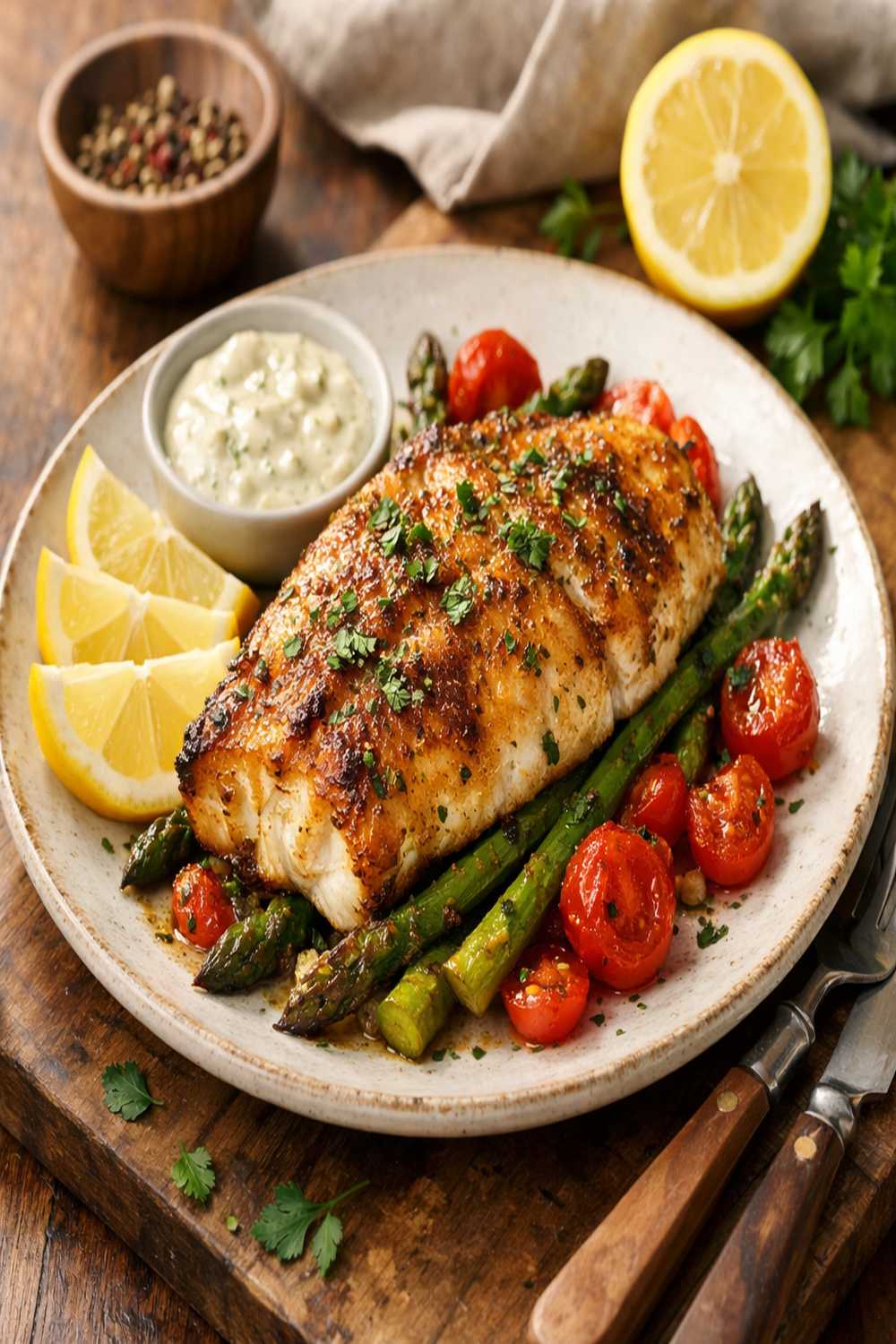
The Ultimate Air Fryer Grouper Recipe for Every Diet (Keto, Vegan, Gluten-Free)
I’ll never forget the afternoon my mom called asking if I could help her figure out dinner for a family gathering where everyone had different dietary needs. We had a keto aunt, a newly vegan cousin, and my gluten-free neighbor stopping by.
That’s when I realized: why create four separate meals when one beautiful base recipe can work for everyone? That’s exactly what this air fryer grouper does. It’s crispy on the outside, tender and flaky on the inside, and takes less time than ordering takeout.
Which Version Is Right for You?
I always tell my clients that the best recipe is the one that fits your life. Let me break down each version so you can pick what works for your family right now—and remember, you can always switch it up next week!
- Keto Version – Uses almond flour instead of breadcrumbs for that crispy coating without the carbs. Expect a slightly nuttier flavor and ultra-satisfying texture that keeps you full for hours.
- Vegan Version – Swaps the fish for firm tofu or heart of palm, uses aquafaba in place of oil for binding, and creates that same golden crust. The flavor is neutral and lets your spices shine through.
- Gluten-Free Version – Relies on certified gluten-free panko or crushed gluten-free cereal for the coating. You won’t notice any difference in texture or taste—this version is truly indistinguishable from the traditional recipe.
- Dairy-Free Version – This one is naturally dairy-free since fish doesn’t contain dairy, but I’ve included notes on serving suggestions that skip cheese and cream-based sides.
The Base Ingredients (Works for All Versions)
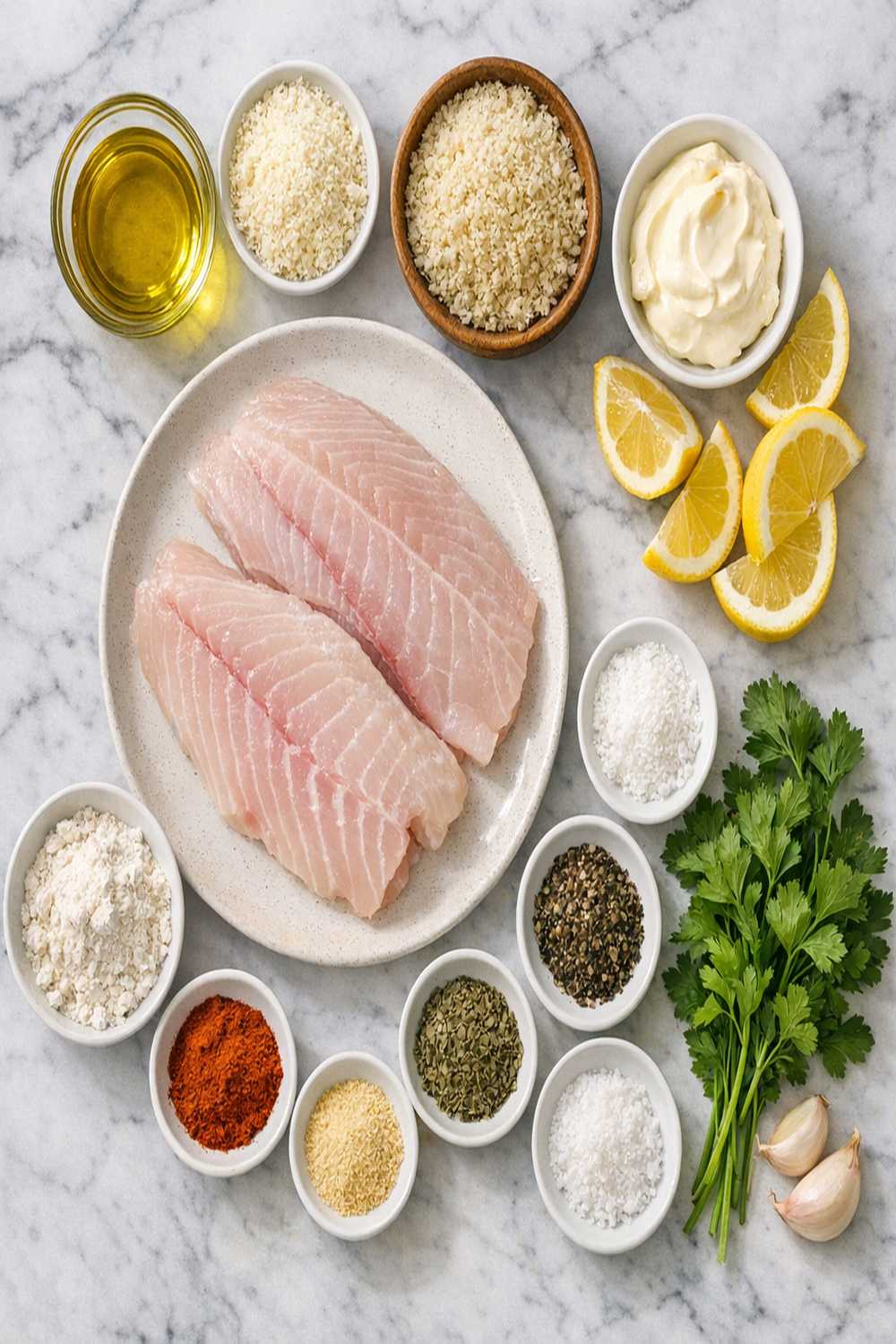
Here’s what makes this recipe so flexible: the foundational ingredients stay mostly the same across every dietary variation. These are the stars that create that restaurant-quality texture you’re craving. I’ve included 6 to 8 fillets (about 7 ounces each) which serves 4 generously with leftovers, or 6 as a lighter meal. The beauty of this recipe is its simplicity—just a few quality ingredients, zero complicated techniques.
- ¼ teaspoon garlic powder (concentrated garlic flavor)
- Tartar sauce or dairy-free mayo (for serving, based on your version)
- 2 tablespoons fresh lemon juice (optional but recommended for pre-marinating)
- Lemon wedges (for brightness and serving)
- ¼ teaspoon onion powder (balances the garlic beautifully)
- ¼ teaspoon chili powder (brings gentle heat without overpowering)
- 6 to 8 white fish fillets, such as grouper, cod, or tilapia (about 7 ounces each, preferably fresh or properly thawed)
- ½ teaspoon paprika (adds warmth and slight smokiness)
- ½ teaspoon sea salt (brings out all the flavors)
- 1 cup panko breadcrumbs or crushed panko cereal (creates that golden exterior)
- ¼ teaspoon ground black pepper (freshly ground tastes best)
- 1 tablespoon olive oil or light avocado oil (for coating and crispiness)
Dietary Substitution Chart
I created this chart because I know you want the answer right now without reading paragraphs. Here’s exactly what swaps in for each dietary choice. I’ve tested every single combination, and they all create that crispy-on-the-outside, tender-on-the-inside magic.
- Olive Oil -> Keto: Avocado oil or ghee | Vegan: Aquafaba (3 tablespoons) whisked with 1 tablespoon plant-based oil | Gluten-Free: Any neutral oil works | Dairy-Free: Olive or avocado oil
- Spice Blend -> Keto: Same blend, slightly higher salt works well | Vegan: Same blend, add ¼ teaspoon smoked paprika for depth | Gluten-Free: Same blend, ensure paprika and powders are certified | Dairy-Free: Same blend works perfectly
- Panko Breadcrumbs -> Keto: Almond flour mixed with crushed pork rinds | Vegan: Panko breadcrumbs (already vegan!) | Gluten-Free: Certified gluten-free panko | Dairy-Free: Standard panko works perfectly
- Fish Fillets -> Keto: Grouper, salmon, or halibut (all excellent options) | Vegan: Extra-firm tofu (pressed) or hearts of palm | Gluten-Free: Any white fish works | Dairy-Free: Any fish variety
- Tartar Sauce -> Keto: Full-fat tartar sauce or mayo-based | Vegan: Cashew cream mixed with relish | Gluten-Free: Verify sauce is gluten-free certified | Dairy-Free: Dairy-free mayo or cashew-based sauce
How to Make Air Fryer Grouper Recipe Your Way
Here’s where the magic happens. I’ve written these instructions so they work as a base for every version—just follow the dietary notes at each step. I always say the best recipe is one you can make on autopilot, so I’ve kept the steps straightforward and stress-free. You’ve got this!
Step 1: Prepare Your Fillets
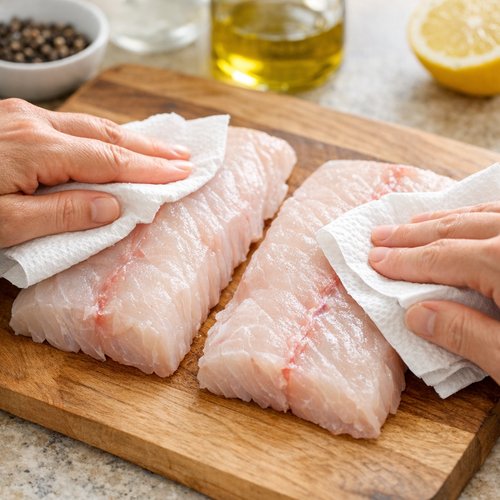
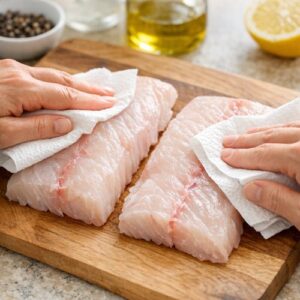
Start by patting your fish completely dry with paper towels—this is the most important step for achieving that crispy coating. Moisture is the enemy of crispiness, so don’t skip this! If you’re using vegan tofu or hearts of palm, pat them extra dry and press tofu between towels for a few minutes. For keto dieters, this step is identical; dryness matters regardless of your coating choice.
Step 2: Oil Your Fillets
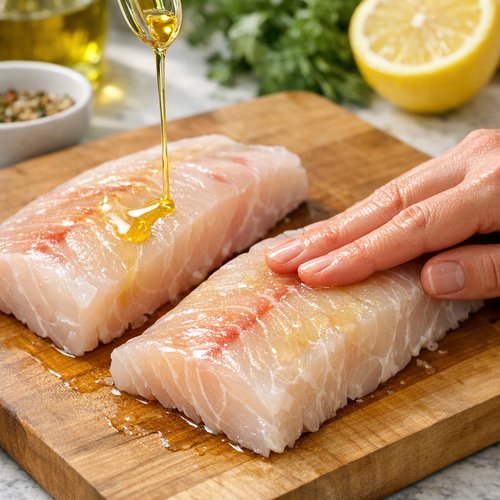
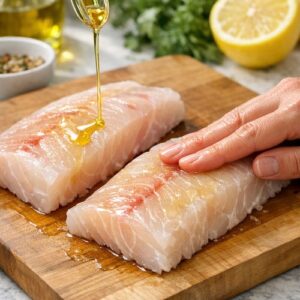
Drizzle your prepared fillets with the oil and rub gently to coat every surface. You want a light, even coating—not dripping. This oil creates the golden exterior we’re all craving. If you’re vegan, use your aquafaba mixture instead, whisking 3 tablespoons aquafaba with 1 tablespoon plant-based oil until slightly foamy. Keto friends can use ghee here instead of olive oil for extra richness if desired. Gluten-free and dairy-free versions proceed with any neutral oil exactly as written.
Step 3: Create Your Spice Coating
Combine your panko (or your dietary-specific substitute) with paprika, chili powder, black pepper, garlic powder, onion powder, and sea salt in a shallow dish. Mix with a fork until completely combined. For gluten-free versions, verify your paprika and all powders are certified gluten-free—most are, but always check your specific brand. Vegan cooks might add an extra ⅛ teaspoon smoked paprika for deeper, smokier notes that compensate beautifully for the vegan protein swap.
Step 4: Coat Your Fillets
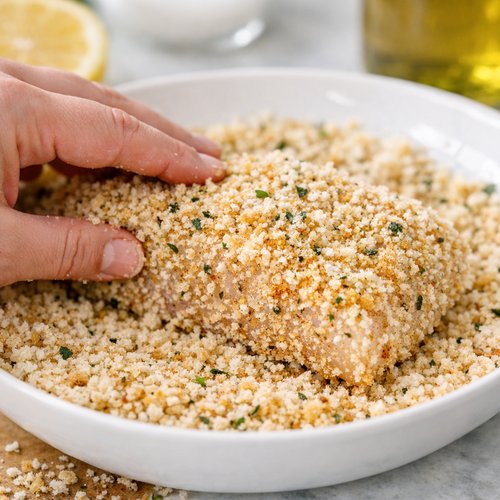
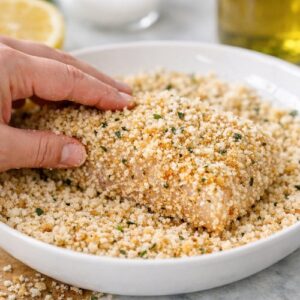
This is where patience pays off. Press each fillet gently into your breadcrumb mixture, coating all sides generously. You want an even, complete coating—it’s okay if some coating falls off, that’s normal. Place your coated fillets in your air fryer basket in a single layer, making sure they don’t overlap. If you’re making the vegan version with tofu, be extra gentle when pressing the coating, as tofu is more delicate than fish. Keto dieters using the almond flour blend might notice the coating is slightly less “sticky”—press a bit more firmly to ensure it adheres.
Step 5: Air Fry Until Golden
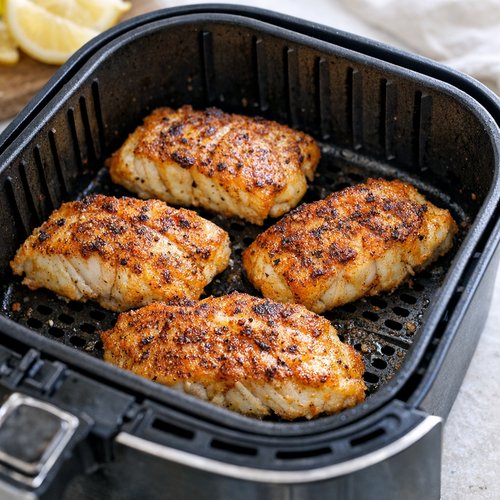
Set your air fryer to 390°F (200°C) and cook for 8 minutes. After 8 minutes, carefully flip each fillet and cook for an additional 4 to 7 minutes, watching for that golden-brown exterior. The fish is done when the flesh flakes easily with a fork and the coating is crispy and golden. Vegan versions take the full 7 minutes on the second side due to tofu’s density. Keto almond flour coatings cook slightly faster—watch at 5 minutes to avoid over-browning. Gluten-free panko might brown more quickly—check at 5 minutes.
Step 6: Serve Immediately
Remove your crispy fillets from the air fryer and serve immediately while the exterior is still at its crispiest. Serve with lemon wedges and your preferred sauce. Keto dieters pair beautifully with full-fat tartar sauce or mayo-based dips. Vegan friends love a cashew cream sauce or dairy-free tartar sauce. Fresh lemon brightens all versions equally.
Nutrition Comparison Across Versions
As a registered dietitian, I always want you to understand what you’re actually eating. Here’s the nutrition breakdown per serving (one fillet) for each version. These numbers are based on USDA FoodData Central and reflect the actual ingredient swaps. Remember, these are estimates—your specific values depend on your exact brands and portion sizes.
Standard Fish Version (Grouper): Approximately 220 calories | 28g protein | 11g fat | 5g carbohydrates | 0g fiber | 350mg sodium. This is why fish is my go-to protein—maximum nutrition, minimum fuss.
Keto Version (with almond flour coating): Approximately 280 calories | 29g protein | 16g fat | 2g net carbohydrates | 3g fiber | 340mg sodium. The healthy fats from almond flour keep you satisfied for hours.
Vegan Version (with tofu): Approximately 180 calories | 18g protein | 8g fat | 8g carbohydrates | 2g fiber | 380mg sodium. Still protein-rich and completely plant-based.
Vegan Version (with hearts of palm): Approximately 160 calories | 3g protein | 7g fat | 14g carbohydrates | 2g fiber | 420mg sodium. Lower protein but unique texture and interesting flavor profile.
Gluten-Free Version: Matches the standard fish version nutritionally—approximately 220 calories | 28g protein | 11g fat | 5g carbohydrates. No nutritional compromise, just peace of mind.
Expert’s Nutritional Tip: Why Air Frying Beats Deep Frying
Here’s what my clinical experience taught me: air frying uses 75-90% less oil than traditional deep frying while achieving nearly identical crispiness. This means you’re getting that satisfying golden exterior without the guilt. Your body absorbs the nutrients in the fish better when it’s not swimming in oil, and you’ll actually taste the delicate flavor of the grouper instead of just tasting fried coating. For my keto clients, this method is revolutionary—you get the indulgent texture of fried food with macros that support ketosis. That’s nutrition working for you, not against you.
How Each Version Tastes Different
I think it’s important to be honest: these versions taste noticeably different, and that’s actually wonderful. You’re not eating a compromise—you’re eating something specifically tailored to your needs.
The Standard Fish Version tastes like crispy, buttery fish with a hint of garlic and paprika warmth. The exterior crackles when you bite it, and the interior is so tender it practically melts. This is restaurant-quality fish and chips vibes without the heavy feeling.
The Keto Version with almond flour has a slightly nuttier, almost richer flavor. The coating is still crispy but with more texture—almost like a breaded nut crust. It’s indulgent-tasting in the best way, which is why keto dieters love it. The almond flour also browns slightly differently, creating beautiful deep golden tones.
The Vegan Version with Tofu tastes less “fishy” and more like a neutral protein canvas for the spices. The crispy coating really shines here because it’s not competing with fish flavor. The aquafaba coating creates a slightly different texture than oil—less slick, more matte finish. Honestly? It’s delicious and completely satisfying.
The Vegan Version with Hearts of Palm is my favorite surprise. Hearts of palm have a delicate, slightly flaky texture that mimics fish more closely than you’d expect. The flavor is subtle and slightly sweet. This version appeals to people who want the “fish and chips” experience without any animal products.
The Gluten-Free Version is virtually indistinguishable from the standard version. If you didn’t tell someone it was gluten-free, they wouldn’t know. That’s the whole point—you shouldn’t have to compromise on texture or flavor just because you need to avoid gluten.
Make-Ahead Guide: Meal Prep Like a Pro
I always tell my busy clients that meal prep is really just “meal assembly” if you prep the components ahead of time. This recipe is incredibly make-ahead friendly, which means you can look like a weeknight dinner wizard without spending hours cooking.
Up to 3 Days Ahead: Pat your fillets dry, portion them out, and store them in an airtight container in the coldest part of your fridge. Keep them on a bed of paper towels and cover loosely—this keeps them perfectly moist without excess condensation.
Up to 5 Days Ahead: Mix your spice blend and breadcrumbs together in a mason jar. Shake to combine and store at room temperature. Label it with the date so you remember what you prepped.
Day-Of Assembly (10 minutes): Pat your fillets dry one more time, coat with oil, press into the breadcrumb mixture, and air fry. That’s it. You just went from zero to restaurant-quality dinner in 30 minutes total.
Fully Cooked Storage: Leftover cooked grouper keeps for 3 to 4 days in an airtight container. Reheat in a 350°F oven for 5-7 minutes to restore crispiness (the air fryer actually works beautifully for reheating too!). Store vegan versions the same way—they hold up equally well.
Common Mistakes to Avoid
I’ve made every mistake in this recipe at least once, so let me save you the trouble. Here’s what actually matters:
Mistake #1: Skipping the Drying Step – I see this all the time with clients who are rushing. Wet fish = soggy coating. No exceptions. Grab your paper towels and dry those fillets like your dinner depends on it, because it does. This single step is 40% of what makes this recipe work.
Mistake #2: Overlapping Fillets in the Air Fryer – Your air fryer needs space to circulate hot air around each fillet. Crowding them means uneven cooking and patchy browning. If your air fryer basket is small, cook in two batches. The second batch takes the same time, and you’ll get better results than cramming them together.
Mistake #3: Not Flipping at the Right Time – I recommend setting a timer for exactly 8 minutes for the first side. Don’t peek constantly—let that air fryer do its job. Flipping too early means the coating hasn’t set, and it might stick. Too late means the first side gets over-cooked.
Mistake #4: Using Wet Breadcrumbs or Stale Spices – Make sure your panko is dry (store-bought panko from a fresh container is perfect). Check that your paprika, garlic powder, and chili powder aren’t ancient—old spices lose potency and flavor quickly. Replace them if they’re more than 6 months old.
Seasonal Variations: Adapt This Recipe Year-Round
As someone who cooks seasonally, I love how this basic recipe transforms based on what’s fresh and available. Here’s how I change things up throughout the year:
Spring Version: Add fresh dill and lemon zest to your spice blend. Serve alongside fresh asparagus or lemon broccolini for a bright, fresh plate. Fresh dill pairs beautifully with grouper and screams spring.
Summer Version: Mix fresh basil into your tartar sauce and serve with fresh sliced tomatoes and cucumber salad. In summer, I also like making a quick lime crema sauce using dairy-free mayo, lime juice, and cilantro. The brightness is incredible.
Fall Version: Add ⅛ teaspoon cayenne pepper to your spice blend and swap half the paprika for smoked paprika. Serve alongside roasted butternut squash or try our butternut squash spinach recipe. The warmth mirrors the season beautifully.
Winter Version: Keep the spices warm and hearty. Serve alongside roasted root vegetables or creamy cauliflower. I like adding a touch more garlic powder in winter—it feels cozier somehow. A drizzle of hot sauce adds welcome heat on cold nights.
Can I Store Air Fryer Grouper Recipe?
Absolutely, and I’m so glad you asked because storage is where people usually go wrong with air-fried foods. The key is keeping leftover grouper crispy instead of soggy.
Refrigerator Storage: Store cooled leftover grouper in an airtight container with a paper towel on the bottom to absorb excess moisture. It keeps for 3 to 4 days safely. Check the smell before reheating—fish has a pretty obvious “no, we’re done with this” smell.
Reheating for Maximum Crispiness: Reheat in your air fryer at 350°F for 5 to 7 minutes rather than using the microwave. The microwave will make it soggy no matter what you do. If you don’t have access to an air fryer, reheat in a 350°F oven for 8 to 10 minutes. It’s slower but maintains texture.
Freezer Storage: You can freeze cooked grouper for up to 3 months in a freezer bag or airtight container. Thaw overnight in the fridge before reheating. The texture holds up remarkably well—better than you’d expect actually.
Raw Fillet Storage: Keep raw grouper in the coldest part of your fridge on a bed of ice if you have it. Use within 2 days of purchase for best quality. If your grouper came frozen, keep it frozen until you’re ready to thaw it (thaw in the fridge overnight, never at room temperature).
Vegan Version Storage: Tofu and hearts of palm versions store identically to the fish version. 3 to 4 days refrigerated, reheated in the air fryer for crispiness. The coating maintains its texture beautifully.
What to Serve With Air Fryer Grouper Recipe?
This is where the meal comes together. I always build my plate thinking about color, texture, and nutrition. Here are my favorite combinations for each dietary version:
- Simple Green Salad – Works with every version. Toss arugula with lemon vinaigrette, toasted almonds (omit for vegan), and fresh herbs. The brightness balances the crispy richness of the fish.
- Roasted Vegetables – All versions benefit from roasted broccoli, zucchini, or bell peppers tossed with olive oil and garlic. Roast at 400°F for 15-20 minutes while your fish cooks.
- Creamy Cauliflower – Perfect for keto and dairy-free dieters. Steam cauliflower and toss with butter or dairy-free butter and fresh herbs. Naturally supports most dietary needs.
- Our Butternut Squash Spinach Recipe – Try our butternut squash spinach recipe as a hearty, warming side. The natural sweetness complements the savory fish beautifully and works for all versions.
- Lemon Herb Rice – Cook white or brown rice and finish with fresh lemon juice, parsley, and a touch of butter or olive oil. Pairs wonderfully with all versions and makes the meal feel complete.
- Crispy Fries – Air fry frozen or fresh-cut fries at 380°F for 15-20 minutes. Toss with sea salt and fresh herbs. Casual, satisfying, and perfect for family meals.
- Cucumber Tomato Salad – Dice cucumber, cherry tomatoes, red onion, and toss with olive oil, lime juice, cilantro, and sea salt. Incredibly refreshing and takes 5 minutes.

Air Fryer Grouper Recipe
Ingredients
Method
- Start by patting your fish completely dry with paper towels—this is the most important step for achieving that crispy coating. Moisture is the enemy of crispiness, so don’t skip this! If you’re using vegan tofu or hearts of palm, pat them extra dry and press tofu between towels for a few minutes. For keto dieters, this step is identical; dryness matters regardless of your coating choice.
- Drizzle your prepared fillets with the oil and rub gently to coat every surface. You want a light, even coating—not dripping. This oil creates the golden exterior we’re all craving. If you’re vegan, use your aquafaba mixture instead, whisking 3 tablespoons aquafaba with 1 tablespoon plant-based oil until slightly foamy. Keto friends can use ghee here instead of olive oil for extra richness if desired. Gluten-free and dairy-free versions proceed with any neutral oil exactly as written.
- Combine your panko (or your dietary-specific substitute) with paprika, chili powder, black pepper, garlic powder, onion powder, and sea salt in a shallow dish. Mix with a fork until completely combined. For gluten-free versions, verify your paprika and all powders are certified gluten-free—most are, but always check your specific brand. Vegan cooks might add an extra ⅛ teaspoon smoked paprika for deeper, smokier notes that compensate beautifully for the vegan protein swap.
- This is where patience pays off. Press each fillet gently into your breadcrumb mixture, coating all sides generously. You want an even, complete coating—it’s okay if some coating falls off, that’s normal. Place your coated fillets in your air fryer basket in a single layer, making sure they don’t overlap. If you’re making the vegan version with tofu, be extra gentle when pressing the coating, as tofu is more delicate than fish. Keto dieters using the almond flour blend might notice the coating is slightly less “sticky”—press a bit more firmly to ensure it adheres.
- Set your air fryer to 390°F (200°C) and cook for 8 minutes. After 8 minutes, carefully flip each fillet and cook for an additional 4 to 7 minutes, watching for that golden-brown exterior. The fish is done when the flesh flakes easily with a fork and the coating is crispy and golden. Vegan versions take the full 7 minutes on the second side due to tofu’s density. Keto almond flour coatings cook slightly faster—watch at 5 minutes to avoid over-browning. Gluten-free panko might brown more quickly—check at 5 minutes.
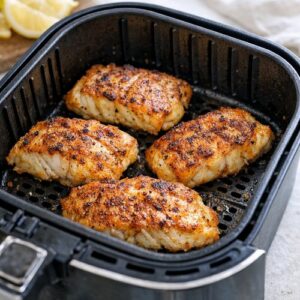
- Remove your crispy fillets from the air fryer and serve immediately while the exterior is still at its crispiest. Serve with lemon wedges and your preferred sauce. Keto dieters pair beautifully with full-fat tartar sauce or mayo-based dips. Vegan friends love a cashew cream sauce or dairy-free tartar sauce. Fresh lemon brightens all versions equally.
FAQs
Can I Use a Different Type of Fish for This Recipe?
Absolutely! Grouper is my choice because it’s mild, flakes beautifully, and maintains moisture well in the air fryer. But this exact recipe works with cod, halibut, tilapia, snapper, or even salmon. White fish varieties work best because they don’t have strong “fishy” flavors. If using salmon or other oily fish, reduce the cooking time by 1-2 minutes since they cook faster due to higher fat content. The same spice blend and coating method applies to all of them—this is truly a flexible base recipe.
What’s the Difference Between Using Almond Flour and Pork Rinds for Keto?
Great question! Almond flour creates a softer, nuttier coating that’s more forgiving and easier to work with. Pork rinds (when crushed finely) create an ultra-crispy exterior that’s almost shatteringly crunchy, which some keto dieters absolutely love. I typically blend them 50/50—½ cup almond flour plus ½ cup crushed pork rinds—for the best of both worlds: nutty flavor with maximum crispiness. Pure pork rinds can taste a bit too “meaty” on their own, so the almond flour balances that beautifully. Both keep your macros in line for ketosis, so choose based on your texture preference.
How Do I Know If My Fish Is Cooked Through?
This is crucial for food safety. Fish is properly cooked when the flesh is opaque (no longer translucent) and flakes easily with a fork. The internal temperature should reach 145°F (63°C) according to FDA guidelines. If your fillets are thicker than ¾ inch, you might need to cook them the full 7 minutes on the second side. If they’re thinner, 4-5 minutes is plenty. A meat thermometer is your friend here—poke it into the thickest part of the fillet, and you’re golden at 145°F.
Can I Make This Recipe in a Regular Oven Instead of an Air Fryer?
Yes, but with modifications. Preheat your oven to 400°F (200°C) and line a baking sheet with parchment paper. Arrange your coated fillets in a single layer and bake for 12 to 15 minutes until the coating is golden and the fish flakes easily. You won’t get quite the same level of crispiness as the air fryer because the air circulation is different, but it still tastes delicious. If you want more crispiness, spray the tops lightly with cooking oil spray before baking. A toaster oven works beautifully too and is actually faster than a full-size oven.
Is This Recipe Actually 30 Minutes from Start to Finish?
Yes, and I’m not exaggerating. Here’s the breakdown: 2 minutes to dry your fillets, 2 minutes to coat with oil, 3 minutes to mix your spice blend, 5 minutes to coat each fillet, 8 minutes first side in the air fryer, 5 minutes second side, plus 5 minutes plating and serving. That’s 30 minutes maximum if you’re moving at a normal pace. If you prep your spice blend ahead (which you can do up to a week in advance), you’re down to 25 minutes. This is genuinely a quick weeknight dinner.
Can I Prep the Breaded Fillets Ahead of Time?
Absolutely! Coat your fillets with oil and press them into the breadcrumb mixture up to 4 hours ahead. Store them on a parchment-lined plate uncovered in the fridge. Don’t cover them while they’re raw, as the moisture will make the coating soggy. When you’re ready to cook, they go straight into the air fryer from the fridge. This is my favorite shortcut for busy families—do the messy breading part when you have time, then a quick air fry when dinner is needed. The coating might not stick quite as well if you wait longer than 4 hours, so I’d recommend cooking them within that window.
More Diet-Friendly Recipes You’ll Love
- Lemon Broccolini Recipe – The perfect bright, simple side dish that works with every dietary version of this meal
- Butternut Squash Spinach Recipe – A hearty, nourishing side that brings warmth and comfort to your grouper dinner
Final Thoughts: Restrictions Don’t Mean Food Restrictions
Here’s what I’ve learned after years as a registered dietitian: your dietary needs don’t define your food experience. This air fryer grouper recipe exists because I believe you deserve delicious, satisfying meals that support your health goals, whatever those goals are. Whether you’re managing ketosis, honoring your values as a vegan, protecting your health as someone with celiac disease, or simply wanting to avoid dairy, you shouldn’t have to settle for sad, boring food.
I’ve made these variations for my clients, my family, and myself countless times. Every single version comes off that air fryer looking golden and beautiful. Every single version tastes delicious. And every single version proves that dietary needs are actually an opportunity to get creative and thoughtful in the kitchen—not a limitation.
Pick the version that fits your life today. Make it. Enjoy it with someone you care about. And remember: the best meal is always the one made with intention and served with joy. Hope you find joy in every recipe!